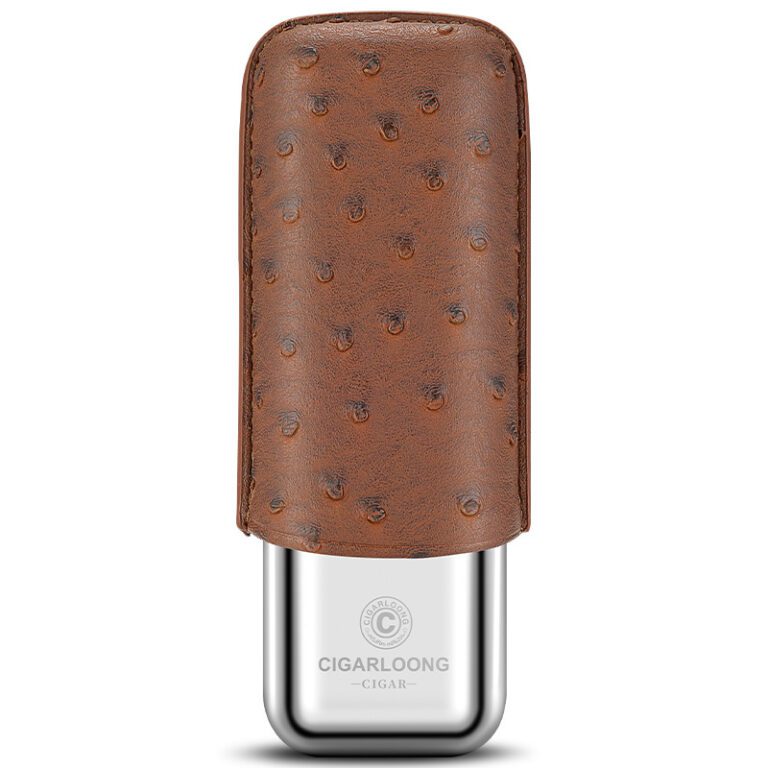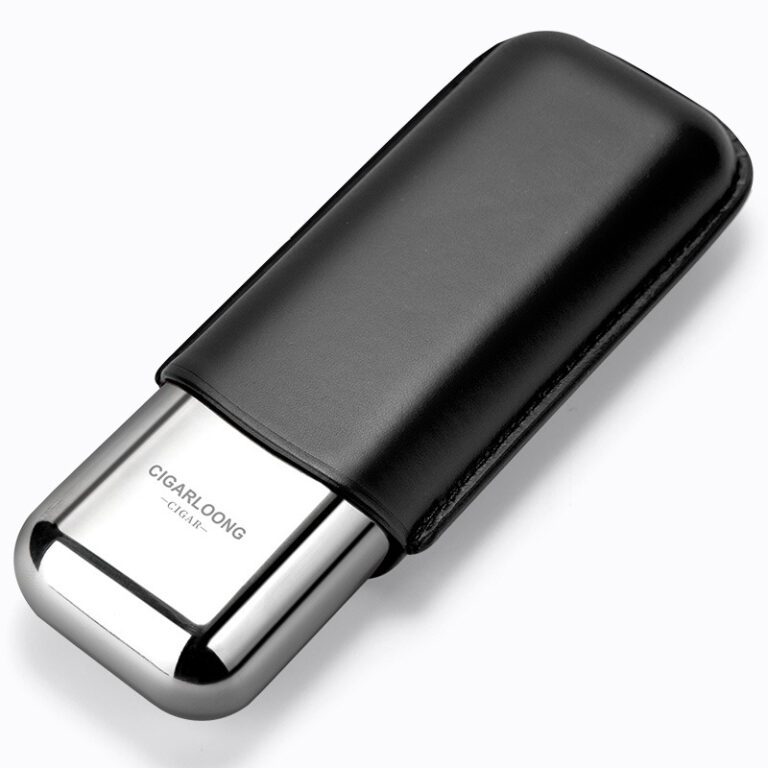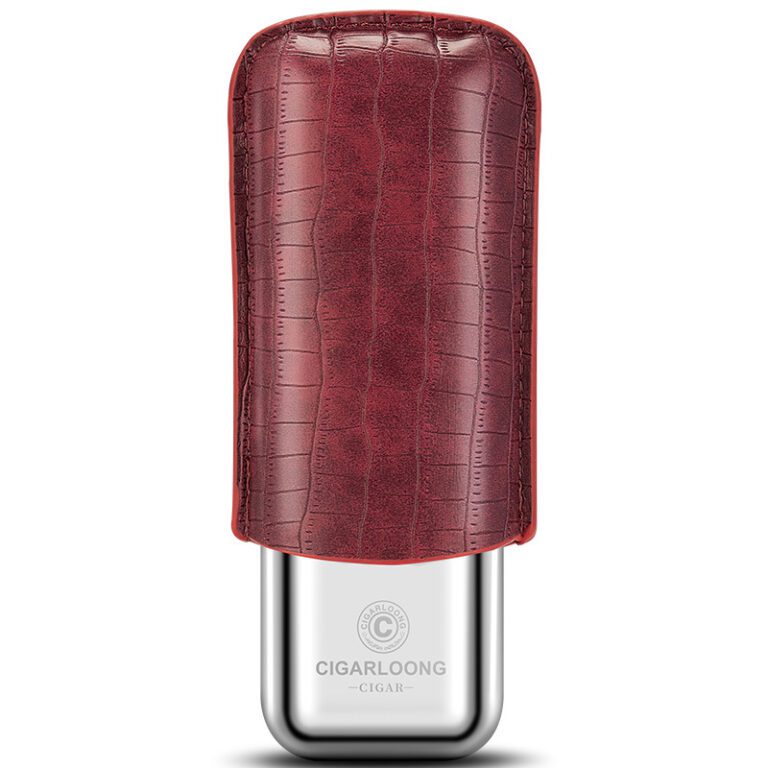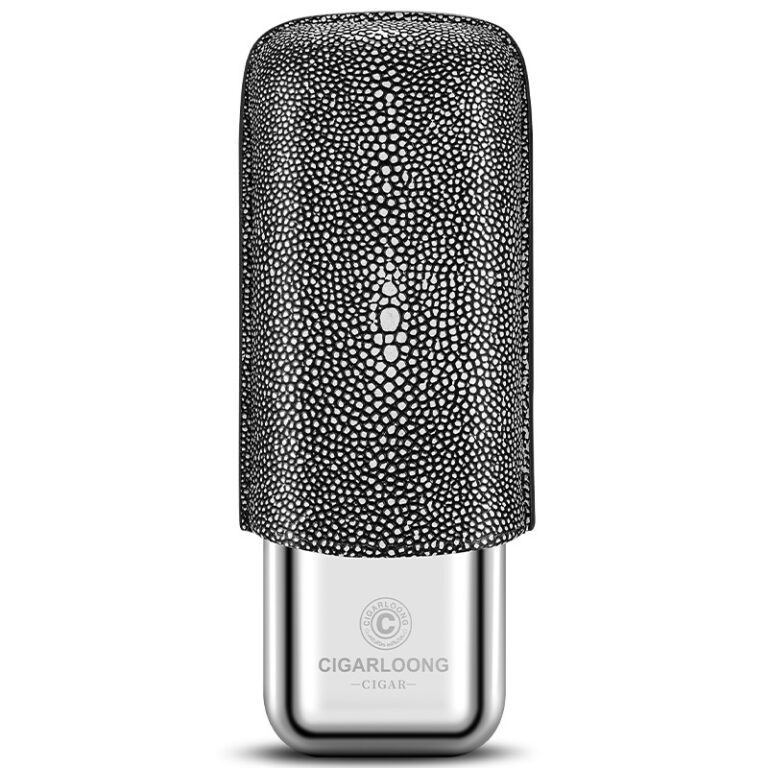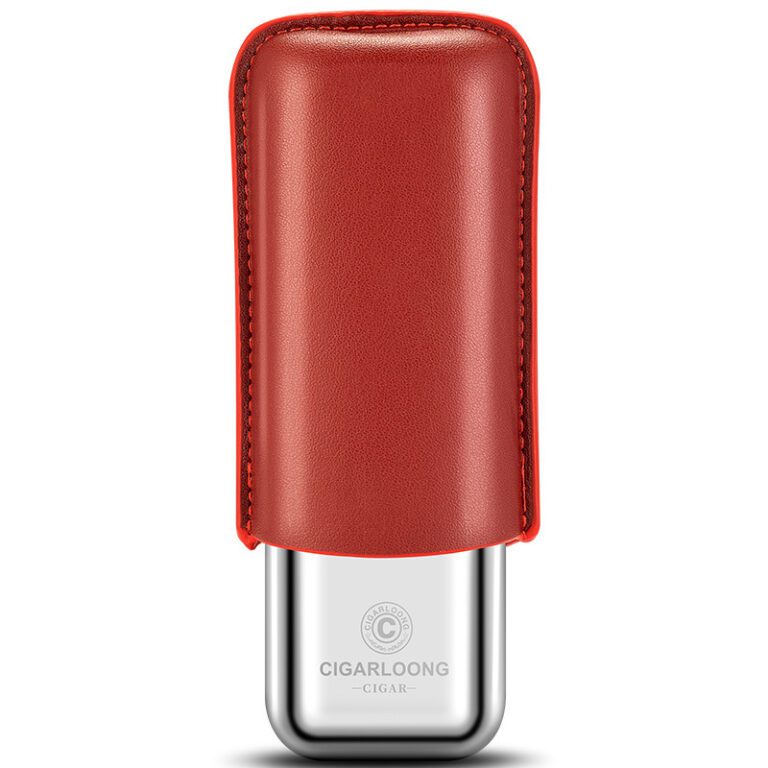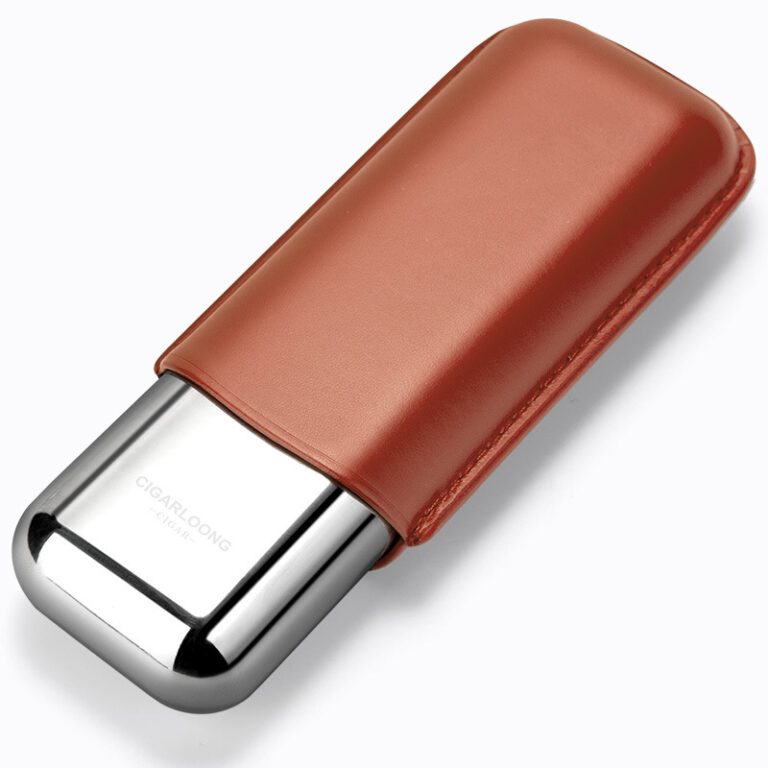
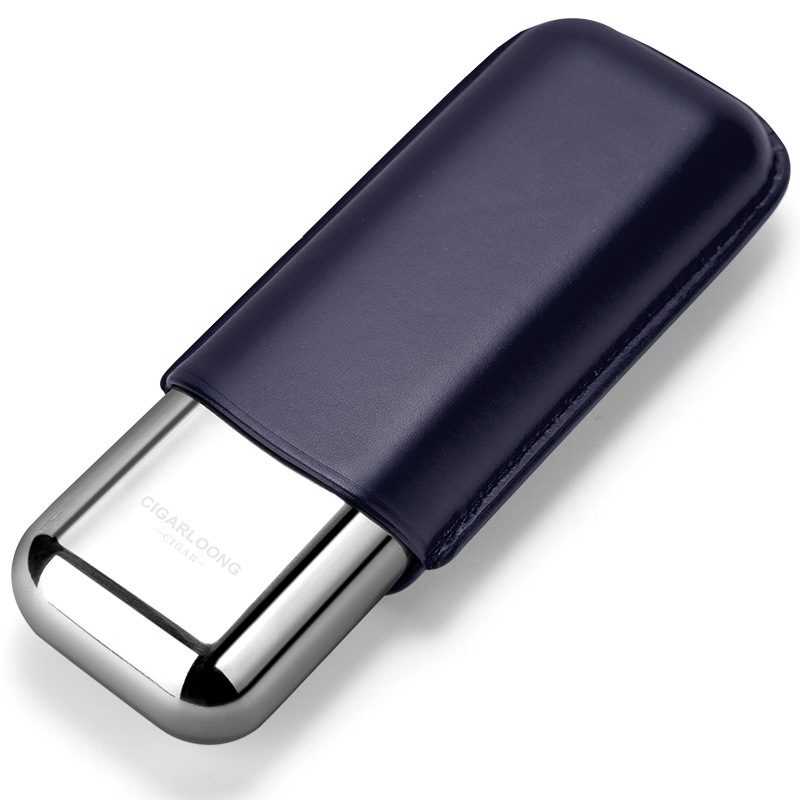
Cigar cases serve as portable guardians for your premium sticks, protecting them from crushing, drying out, and environmental damage during daily carry or travel. The material you choose dramatically affects not only the case’s appearance and durability but also how well it preserves flavor, aroma, and wrapper integrity. From classic full-grain leather to natural Spanish cedar wood linings, modern carbon fiber, and tough metal or crushproof options, each material brings unique strengths.
In this 2026 guide, we explore the most popular cigar case materials, their pros and cons, and which ones best suit different lifestyles and occasions.
1. Leather: The Timeless Classic
Leather remains the most popular exterior material for cigar cases, especially three-finger and pocket designs. High-quality full-grain or top-grain leather (often calfskin, cowhide, or exotic options like ostrich or stingray) offers a luxurious feel that develops a beautiful patina over time.
Pros:
- Elegant and stylish—perfect for office, business meetings, dinners, or formal settings.
- Comfortable to carry; many feature contrast stitching and metal accents for added sophistication.
- Durable with proper care; ages gracefully.
Cons:
- Can impart a slight leather odor if low-quality (high-end, well-prepared leather minimizes this).
- Less ideal for very long-term storage or extreme rugged use without strong interior lining.
- Requires occasional conditioning to prevent cracking.
Many leather cases, like the Xikar Envoy series or Davidoff Iconic, pair a premium leather exterior with Spanish cedar lining inside for better humidity regulation. These are excellent for short-term daily carry (same-day or up to a few days).
2. Wood (Primarily Spanish Cedar): The Flavor Guardian
Wood, especially Spanish cedar, is a staple in cigar storage. While pure wooden cases exist (often finished with leather or exotic skins), cedar most commonly appears as a high-quality interior lining in leather or hybrid cases. Some larger travel models feature more substantial cedar construction.
Pros:
- Naturally regulates humidity by absorbing and releasing moisture, helping maintain 65–72% RH.
- Imparts a pleasant woody aroma that enhances (rather than masks) cigar flavors.
- Firm and protective; traditional choice for humidors and cases alike.
Cons:
- Heavier than modern synthetics or carbon fiber.
- Less crushproof on its own unless reinforced.
- Can be prone to mold if over-humidified without proper seasoning.
Cedar-lined leather cases dominate bestseller lists because they combine the elegance of leather with cedar’s humidity benefits. For enthusiasts who prioritize flavor preservation, cedar is often the gold standard for short-term protection.
3. Carbon Fiber: The Modern Lightweight Champion
Carbon fiber has gained significant popularity for its high-tech appeal, especially in slim tubes and travel cases. Inspired by aerospace and racing applications, these cases offer a sleek, contemporary look.
Pros:
- Extremely lightweight yet incredibly strong and impact-resistant.
- Thin walls (as low as 1.5mm in some designs) allow discreet pocket carry without bulk.
- Excellent protection against crushing and drying out; often paired with cedar interiors.
- Modern, sporty aesthetic that stands out.
Cons:
- Higher price point due to complex manufacturing (autoclave process).
- Limited design variety compared to leather.
- Can feel more “technical” than warm and traditional.
Many aficionados consider carbon fiber one of the best all-around materials for protection without sacrificing portability. Brands like Project Carbon and Carbon Atelier produce standout models, including travel humidors with cedar interiors.
4. Metal (Aluminum, Stainless Steel, or Alloys): Tough and Contemporary
Metal cases range from affordable chrome tubes to premium aluminum or even silver/gold options. They are often used for single or double cigar tubes and some travel designs.
Pros:
- Superior crush protection and durability.
- Lightweight (especially aluminum) and sleek, modern appearance.
- Easy to clean; good for short-term transport.
Cons:
- Can transfer heat or cold quickly, affecting cigar condition.
- Sharp edges in cheaper models risk scratching wrappers.
- Poor natural humidity control unless lined or sealed well.
- May dent over time.
Metal works best for rugged, no-frills protection but is frequently combined with other materials (e.g., leather-wrapped aluminum tubes) for better balance.
5. Crushproof Plastic / Hard Shell (ABS or Polymer): The Rugged Performer
For serious travel and outdoor use, hard-shell crushproof cases made from high-impact ABS plastic or similar polymers dominate. These are often waterproof with airtight seals.
Pros:
- Nearly indestructible—excellent for flights, golf, camping, or adventures.
- Airtight and watertight seals with foam or cedar interiors for humidity control.
- Often include built-in humidifiers and accessory storage.
- Affordable relative to performance.
Cons:
- Less stylish or elegant for formal occasions.
- Can feel bulky compared to slim leather or carbon options.
Popular examples include Xikar travel humidors and Flauno-style models. These are ideal when protection trumps aesthetics.
Hybrid Designs: Getting the Best of Multiple Materials
Many top cigar cases in 2026 combine materials for optimal performance:
- Leather + Spanish Cedar: Most common and versatile (e.g., Xikar Envoy, Brizard & Co., Davidoff).
- Carbon Fiber + Cedar Interior: Lightweight durability with flavor benefits.
- Leather Exterior + Aluminum or Hard Shell Core: Style meets rugged protection.
- Exotic Skins (stingray, ostrich) over cedar for luxury statements.
How to Choose the Right Material for You
- Daily/Office/Formal: Leather (with cedar lining) or high-end carbon fiber for elegance and discretion.
- Travel/Adventures/Outdoor: Crushproof plastic, carbon fiber, or reinforced metal for maximum protection.
- Flavor Focus: Prioritize Spanish cedar lining regardless of exterior.
- Budget: Affordable leather or basic metal for entry-level; premium hybrids for serious enthusiasts.
Always keep cigars in cellophane inside the case for extra wrapper protection, use Boveda packs for humidity control, and return unused cigars to your main humidor promptly. Match the material to your most frequent occasions and cigar sizes (vitolas).
Final Thoughts: Material Matters for Better Smokes
From the warm luxury of leather to the natural humidity magic of Spanish cedar, the high-tech strength of carbon fiber, and the bombproof reliability of crushproof shells, today’s cigar case materials offer something for every aficionado. The “best” choice depends on your lifestyle—many enthusiasts own multiple cases (a stylish leather three-finger for daily use and a rugged travel model for trips).
Invest in quality construction and reputable brands like Xikar, Brizard & Co., Davidoff, or Project Carbon to ensure your case performs as beautifully as it looks. Proper material selection not only protects your investment but also enhances every on-the-go smoking experience.
Which material is your favorite for cigar cases, or are you considering switching styles? Share your experiences in the comments—we’d love to hear how different materials have performed for you. Smoke responsibly and choose wisely for perfect protection every time.