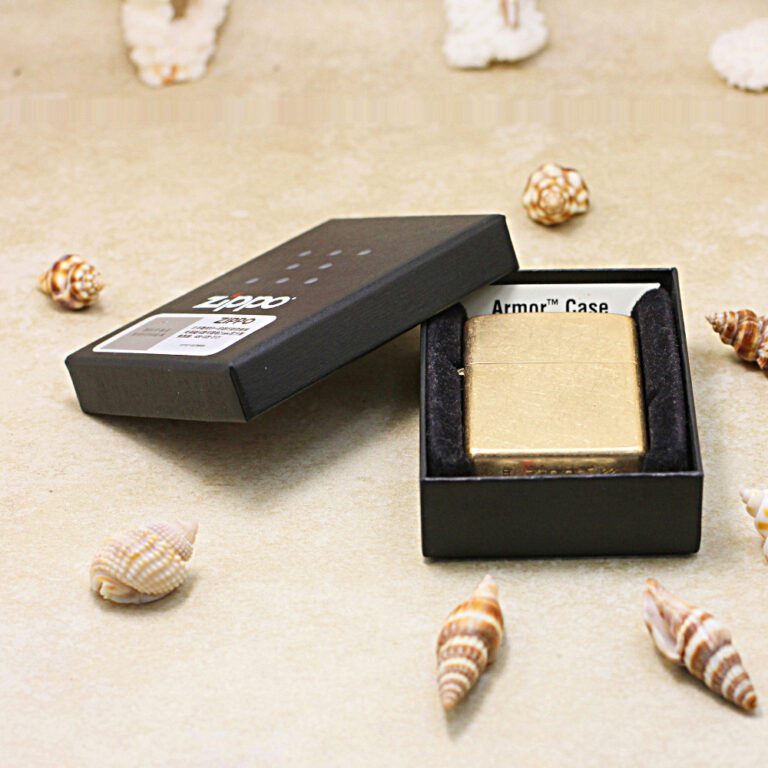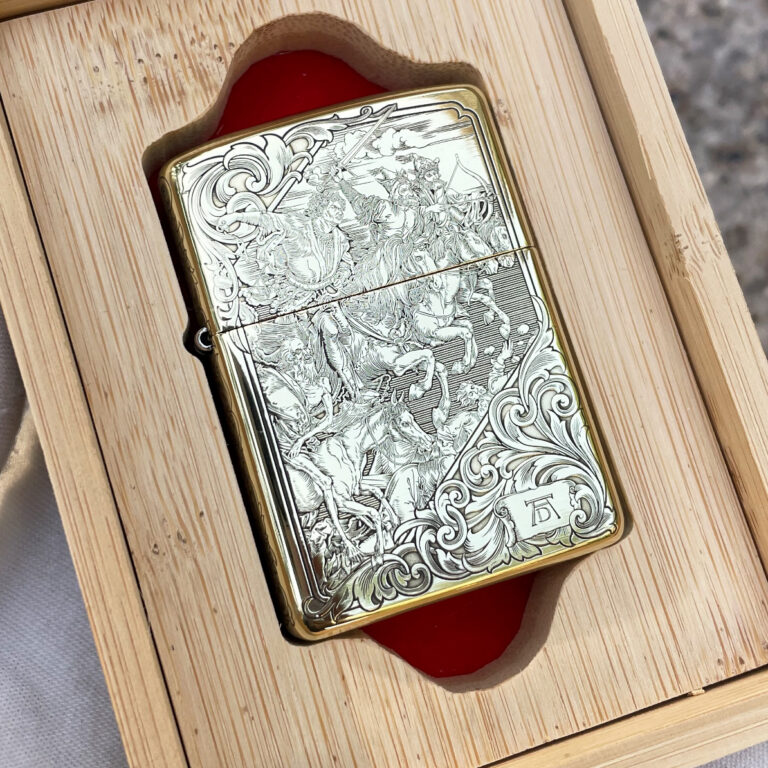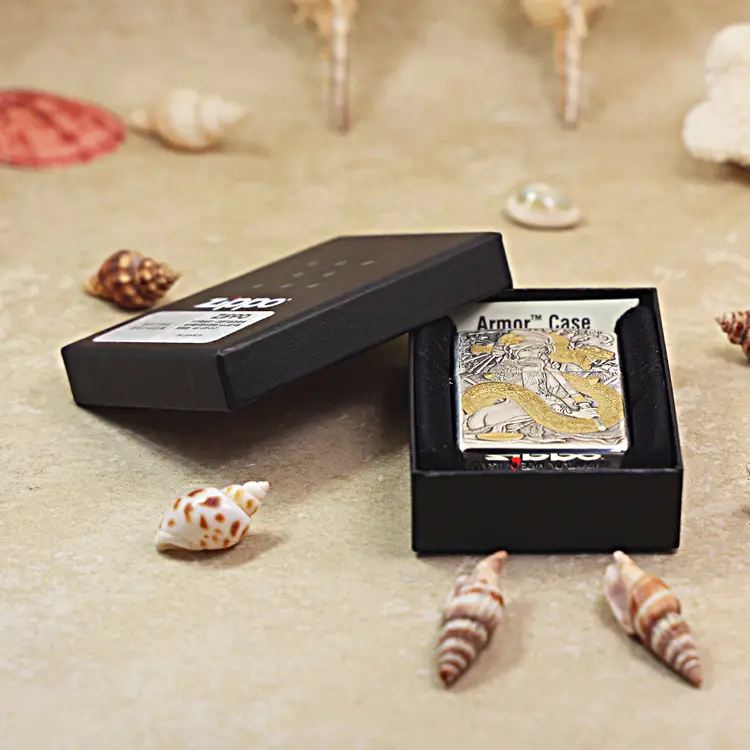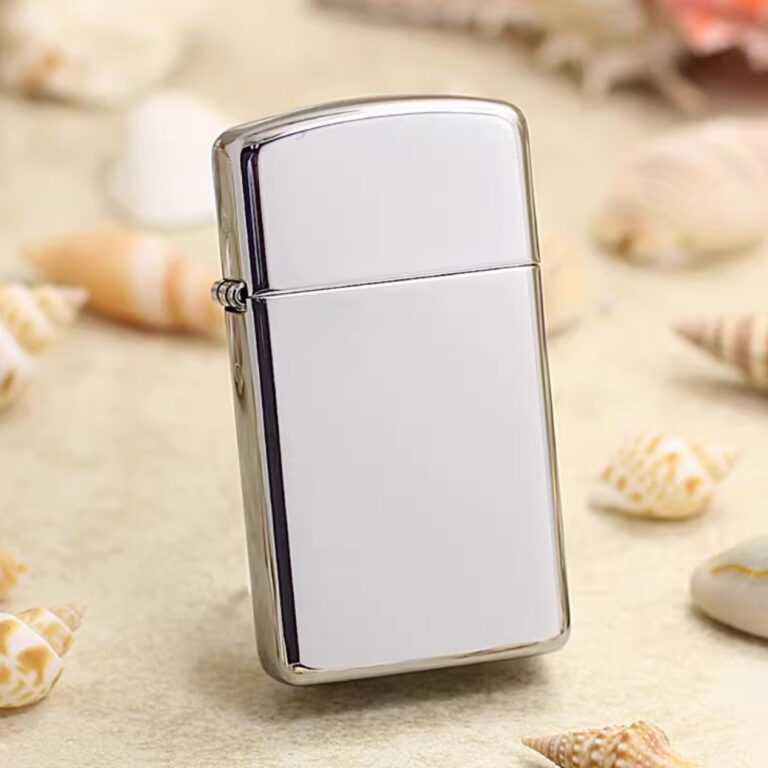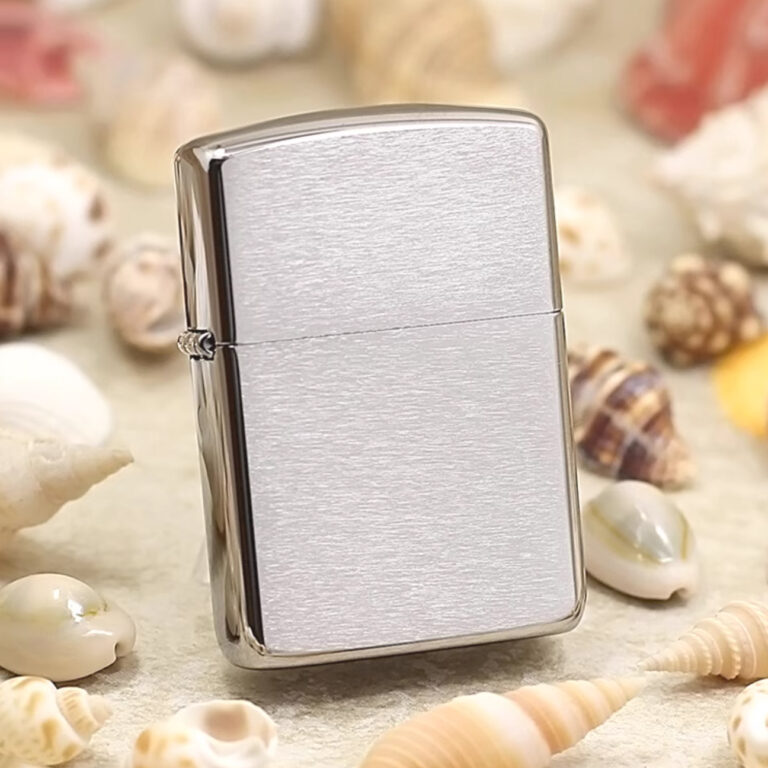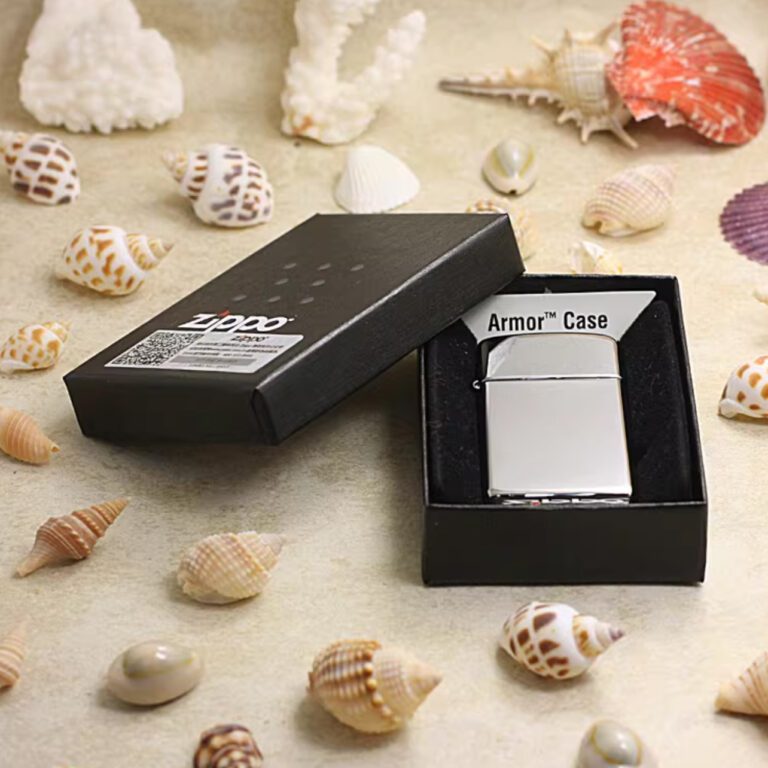
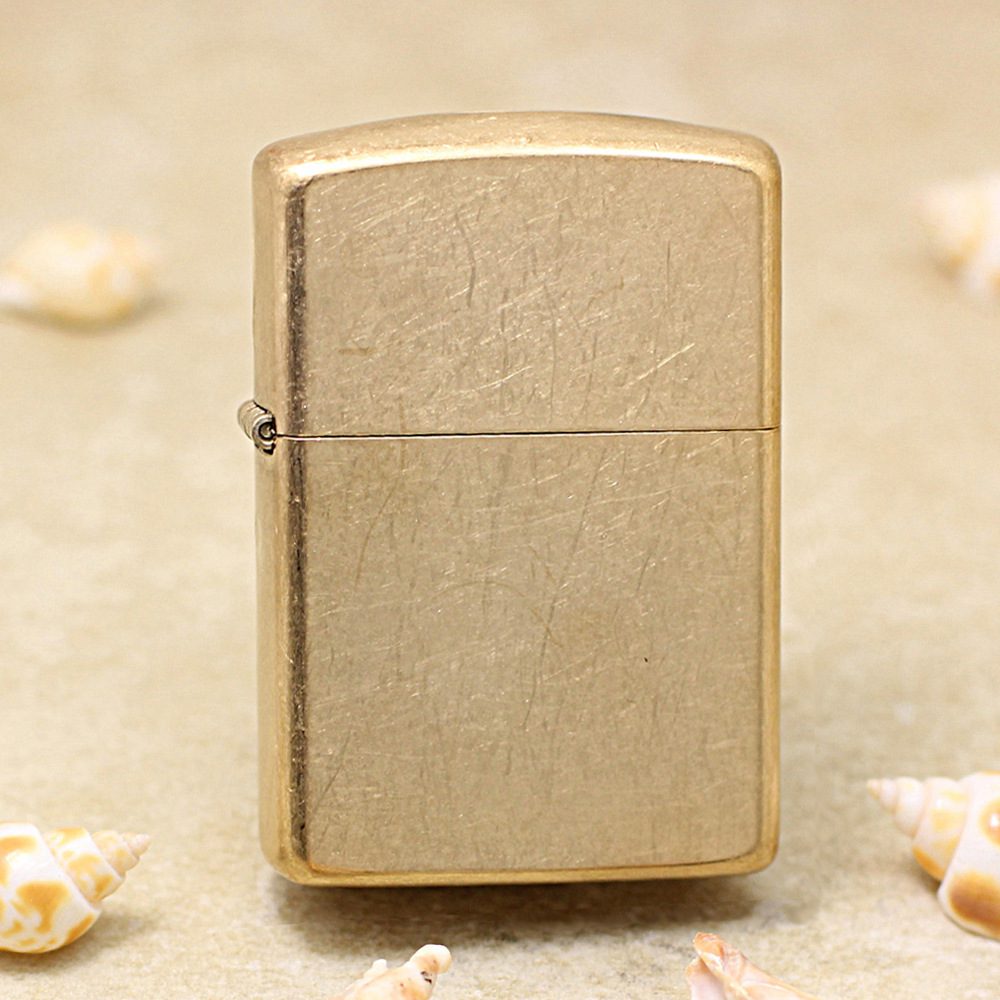
Zippo lighters are more than just fire starters—they’re American icons, symbols of reliability, and cultural touchstones. From their humble beginnings during the Great Depression to becoming a worldwide legend with over 500 million units produced, the Zippo story is one of innovation, wartime heroism, Hollywood fame, and enduring quality. Backed by the famous “It works or we fix it free”™ lifetime guarantee, Zippo has stood the test of time. Here’s the complete timeline of how a simple pocket lighter became legendary.
The Birth of Zippo: 1932–1933
In the depths of the Great Depression, George G. Blaisdell, a Bradford, Pennsylvania businessman, attended a dinner dance at the Bradford Country Club. He watched a friend struggle with an awkward Austrian IMCO lighter—windproof but clunky.
Inspired, Blaisdell secured U.S. rights to the design, then improved it dramatically. He created a sleek rectangular case from brass, added a hinged lid for one-handed operation, and kept the protective chimney for windproofing. He named it “Zippo” after playing with variations of “zipper”—he liked how modern and zippy it sounded.
- First Zippo lighter produced in early 1933.
- Sold for $1.95 each with the unconditional lifetime guarantee.
- Original patent filed in 1934; granted March 3, 1936 (U.S. Patent No. 2,032,695).
- Early models had square corners (later rounded for comfort).
- The very first 1933 Zippo is displayed at the Zippo/Case Museum in Bradford.
This simple, dependable design laid the foundation for everything that followed.
World War II: The Making of an American Icon (1940s)
When the U.S. entered WWII in 1941, Zippo shifted entirely to military production—no more civilian sales.
- Produced rugged steel-case lighters with black crackle finish (to avoid light reflection in combat).
- Millions of GIs carried Zippos into battle, etching messages, unit insignias, and personal art—turning them into personalized talismans.
- Post-war, these battle-scarred lighters returned home, spreading Zippo’s fame globally.
- The wartime effort stabilized the company financially and cemented its reputation for unbreakable reliability.
Zippo’s role in WWII transformed it from a pocket gadget into a symbol of American grit.
Post-War Boom and Innovations (1950s–1960s)
The 1950s brought peacetime growth and design evolution.
- Mid-1950s: Date codes stamped on bottoms for quality control (now a key tool for collectors).
- 1956: Introduction of the Slim® Zippo—thinner profile originally for women, but popular with everyone.
- 1960s: Production hit 50 million units; record sales in 1962.
- Zippo expanded beyond lighters (e.g., pocket tape measures in 1962).
Hollywood discovered Zippo too—appearing in over 2,000 films since the 1940s, often in dramatic “flick” moments.
Modern Era: Diversification and Milestones (1970s–2000s)
Zippo adapted to changing times while preserving its core design.
- 1970s–1980s: Logo updates; introduction of alternative inserts (butane options).
- 1990s: Famous Zippo car promotional vehicle; explosion of licensed designs and collectibles.
- 2000s: Butane torch and rechargeable arc inserts for modern users.
- June 5, 2012: 500 millionth lighter produced during 80th anniversary celebrations.
- 2018: Official sound trademark for the iconic “click.”
Zippo also opened the Zippo/Case Museum, showcasing vintage pieces and the brand’s heritage.
Zippo Today: Still Going Strong in 2026
In 2026, Zippo remains family-owned, American-made (primarily in Bradford, PA), and innovative.
- Annual limited editions, zodiac releases (e.g., 2026 Year of the Horse), Harley-Davidson collabs, and web-debut fan-inspired designs.
- Eco-friendly options and ongoing licensed collections.
- New date codes for 2026-manufactured lighters.
- The lifetime guarantee continues—no receipt needed for free repairs.
From WWII trenches to modern pockets, Zippo’s windproof flame has lit cigarettes, cigars, campfires, and moments in pop culture for over 90 years.
Why Zippo Remains Legendary
- Unmatched durability and the famous “click.”
- Lifetime guarantee that actually works.
- Collectible value: Date codes, limited editions, and patina.
- Cultural status: Military heritage, movie appearances, rock ‘n’ roll vibe.
The Zippo lighter isn’t just history—it’s living history you can hold in your hand. What’s your favorite chapter in the Zippo story—WWII heroics or modern collectibles? Share below and keep the flame alive!