What Gas do S.T. Dupont Lighters Use?

What Gas Do S.T. Dupont Lighters Use? The Complete Guide to Fueling True Luxury
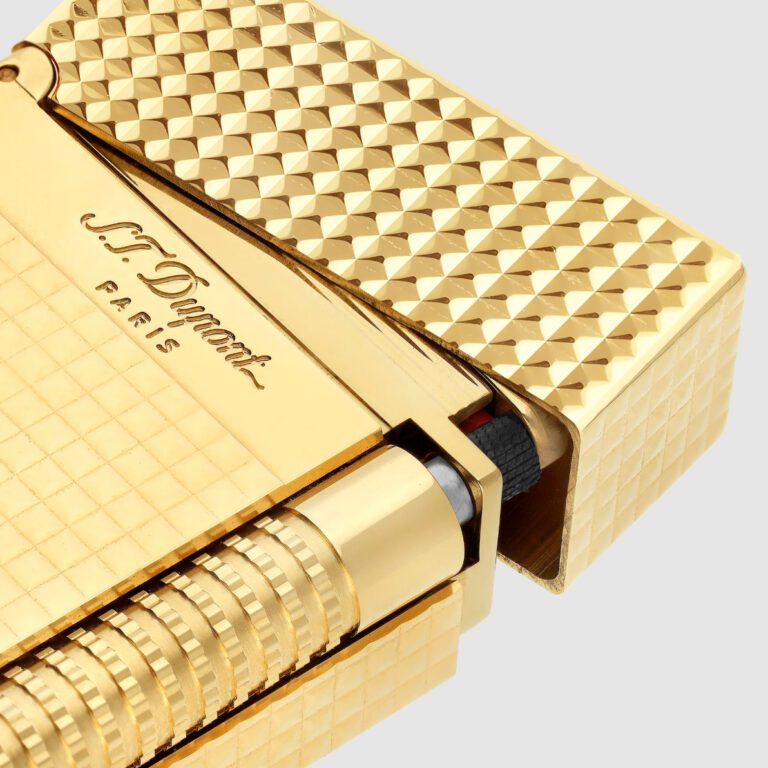
It was a crisp evening in a private cigar lounge when Marcus first experienced the frustration. He had just purchased his dream S.T. Dupont Ligne 2 — a beautiful gold model with intricate guilloché engraving. The lighter looked perfect, felt perfect in his hand, and produced that signature crisp ping when he opened the lid.
But when he tried to light his favorite cigar, the flame sputtered and died. He filled it again. Same problem. After several failed attempts and a growing sense of disappointment, he realized the issue wasn’t the lighter. It was the gas.
Marcus had used the first butane canister he found at a convenience store. Cheap gas. Impurities. Clogged jets. A masterpiece reduced to frustration.
That night he learned something important: S.T. Dupont lighters don’t just need butane — they need the right butane, handled the right way.
Here’s everything you need to know about the gas that powers these legendary French lighters.
The Short Answer: S.T. Dupont Lighters Use Butane Gas
All modern S.T. Dupont pocket lighters (including the iconic Ligne 2, Initial, and most other models) are butane-fueled. They contain a small, refillable butane tank inside the body of the lighter.
Unlike traditional wick lighters (such as classic Zippos) that burn lighter fluid, Dupont lighters use pressurized butane gas. This allows for a clean, consistent flame that can be either a soft yellow flame or a powerful jet/torch flame depending on the model.
The gas is stored under pressure and released through precision-engineered valves and jets when you open the lid and press the ignition.
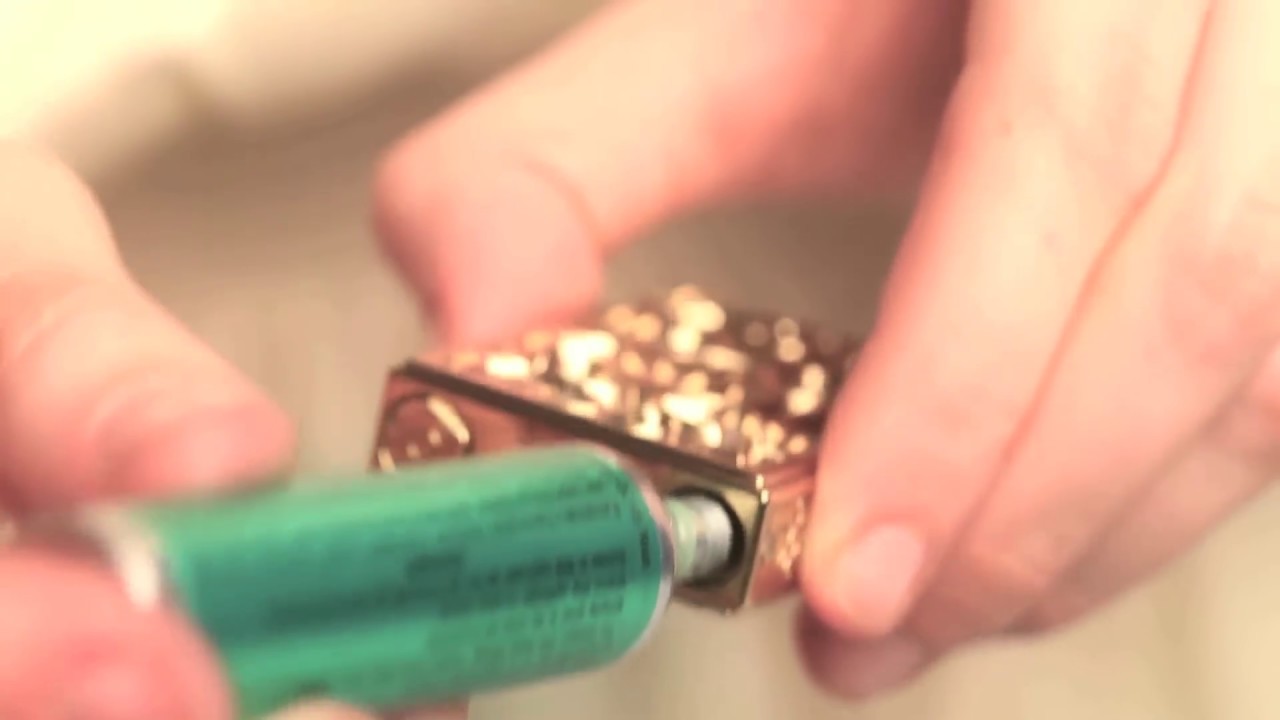
How to Refill an S.T. Dupont Gatsby Lighter
Why the Quality of Butane Matters So Much
Here’s where many owners go wrong (just like Marcus did at first).
S.T. Dupont lighters feature extremely fine nozzles and valves. Cheap butane often contains impurities, moisture, and oils that can clog these delicate components over time. When that happens, you get weak flames, inconsistent ignition, or complete failure.
That’s why experts and the brand itself strongly recommend using high-quality, triple- or quadruple-refined butane. Many collectors and serious users prefer official S.T. Dupont butane canisters, which are specially formulated and come with the correct nozzle adapter for a perfect seal.
Using premium butane keeps your Dupont performing like new for years and protects your investment.
How to Properly Refill an S.T. Dupont Lighter
Refilling a Dupont is straightforward once you know the correct technique:
- Use the right gas — Premium butane (Dupont brand recommended).
- Purge the tank first — Hold the lighter upside down and press the refill valve with a small tool or the edge of the gas canister to release any remaining pressure and old gas. This prevents air bubbles.
- Fill slowly — Insert the nozzle firmly into the refill valve on the bottom of the lighter. Press and hold for 5–10 seconds. You should hear a hissing sound as the gas enters.
- Wait before use — Let the lighter sit for a minute or two so the gas can stabilize at room temperature.
- Adjust the flame — Most models have a small flame adjustment wheel on the bottom.
Pro tip: Never overfill. Stop when you feel resistance or see a small amount of gas escaping.
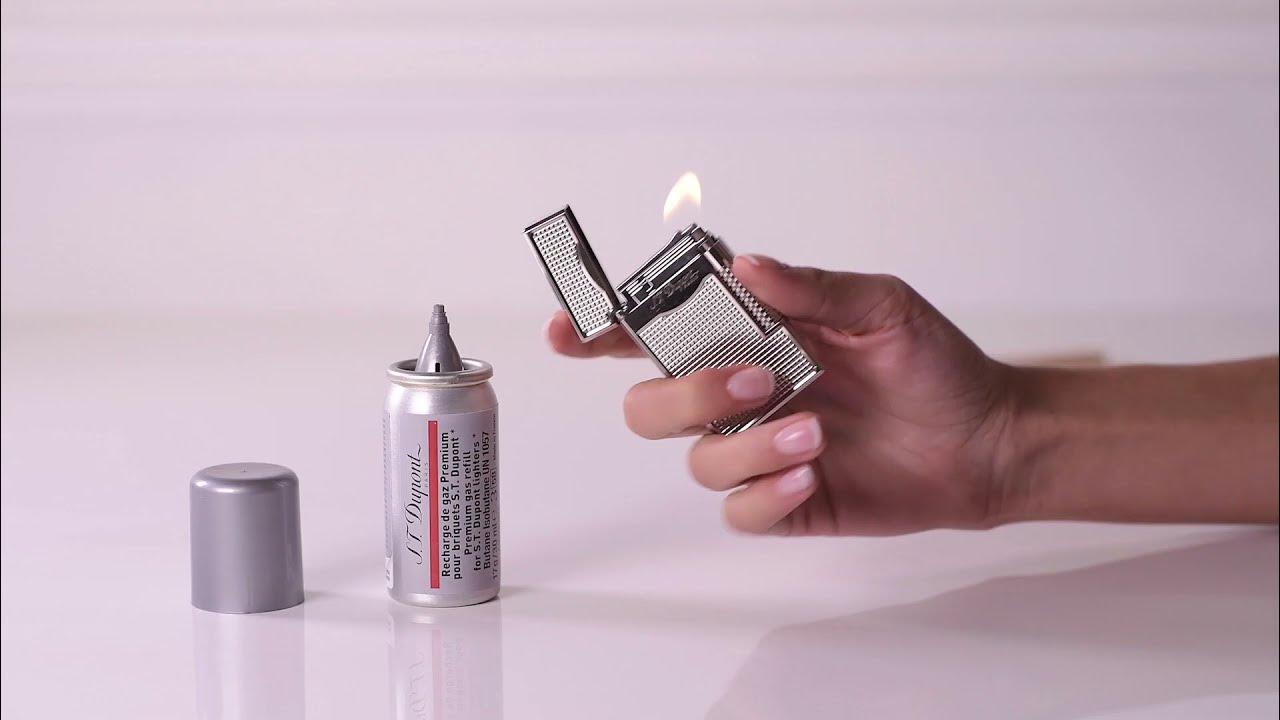
How Do I Refill My S.T. Dupont Lighter? – Kingzendo.com
Why Dupont Uses Butane Instead of Other Fuels
Butane offers several advantages that align perfectly with Dupont’s philosophy of precision and elegance:
- Clean-burning with minimal odor
- Consistent flame height and temperature
- Ability to create both soft and powerful jet flames
- Compact storage in a small internal tank
- Reliable performance in various conditions
The engineering of the gas delivery system is part of what makes Dupont lighters feel so refined. The flame ignites instantly and burns steadily — exactly what you expect from a true luxury object.
Maintaining Peak Performance
Even with the best gas, a little care goes a long way:
- Use only high-quality butane
- Purge the tank periodically
- Store your lighter away from extreme temperatures
- Have it professionally serviced every few years if heavily used (Dupont offers excellent after-sales support)
Many owners report their Dupont lighters still performing flawlessly after 10–20 years with proper care.
The Ritual of a Perfect Flame
For many enthusiasts, refilling an S.T. Dupont isn’t a chore — it’s part of the experience. The careful selection of gas, the precise filling process, and the satisfying ping when you open the lid all contribute to a small daily ritual that feels intentional and luxurious.
It’s one of the many reasons these lighters stand apart from mass-market alternatives.
Find Authentic S.T. Dupont Lighters & Accessories
If you’re ready to experience the difference that proper fuel and genuine craftsmanship make, www.kingzendo.com offers a carefully curated selection of authentic S.T. Dupont lighters. From classic Ligne 2 models to special editions, you’ll find pieces chosen for collectors who value quality and heritage.
Whether you’re new to Dupont or adding to an existing collection, having the right gas and the right lighter transforms every use into something special.
Have you ever had issues with your Dupont lighter because of the gas? Or do you have a favorite filling ritual? Share your story in the comments — we love hearing real experiences from fellow enthusiasts.
Because when it comes to S.T. Dupont, every detail — including the gas — matters. The result is a flame that feels as refined as the lighter itself.
Keywords: what gas do S.T. Dupont lighters use, S.T. Dupont butane gas, how to refill S.T. Dupont lighter, Dupont lighter fuel type, best butane for S.T. Dupont