Authorized Authentic Collector's Store

Authorized Authentic Collector's Store
There is an unwritten language shared among members of the global cigar community. It does not rely on words, nods, or labels. Instead, it relies entirely on a single, crystalline acoustic frequency that cuts cleanly through the low hum of conversation in a crowded lounge. You hear a crisp metallic snap, followed instantly by a ringing musical resonance that hangs suspended in the air like a struck tuning fork.
Cling.
Instantly, everyone in the room knows exactly what just occurred. Someone, somewhere nearby, has opened their **S.T. Dupont Ligne 2** pocket lighter. This singular sound has transformed an everyday engineering mechanism into one of the most widely recognized hallmarks of personal luxury and prestige on the planet.
Yet, what surprises many collectors is that this world-famous sound was never actually intended by the brand’s original creators. It was born as an accidental by-product of internal structural design—a beautiful mistake that forever changed the landscape of high-end accessories. At KingZendo, we believe that true luxury lies directly in these hidden stories of heritage and fine engineering. Let us take an in-depth, technical, and historical look into exactly what makes the iconic Dupont ping so remarkably special.
To fully understand why the ping is so revered, we must travel back to mid-century France. S.T. Dupont had already established an international reputation for crafting exceptional leather travel trunks, fine fountain pens, and solid metal pocket lighters for global royalty and high society. When designers finalized the mechanics for what would eventually evolve into the **Ligne 2** line, they focused entirely on structural rigidity, fluid dynamics, and absolute dependability.
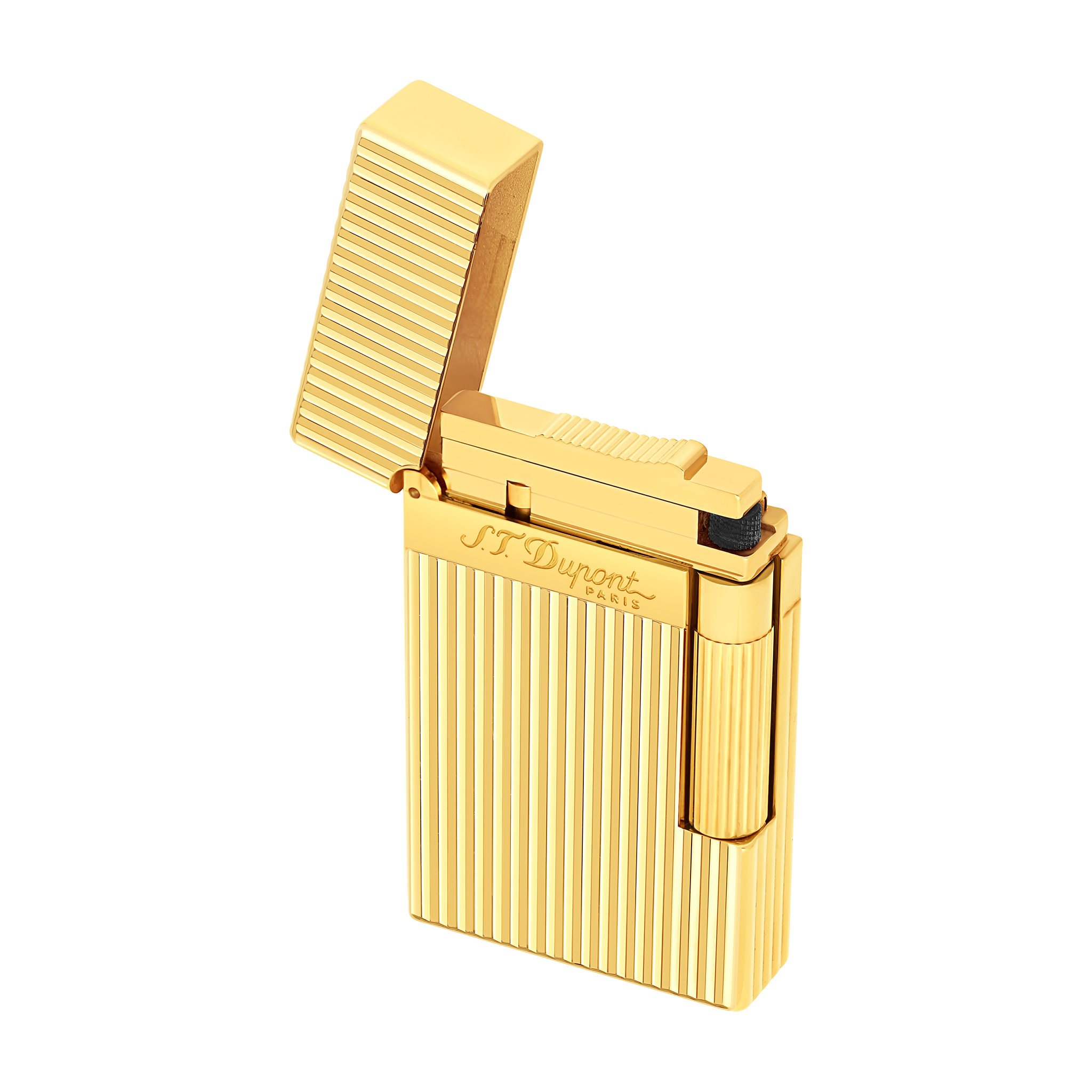
When the final prototypes were assembled and flipped open, the engineers noticed a distinct metallic tone caused by the lid assembly. Rather than suppressing it, the brand embraced it. Over time, as film icons, business leaders, and cultural figures displayed their lighters on screen and in lounges, the public grew deeply infatuated with that specific sound. It quickly became an emotional anchor—signaling that a moment of relaxation, fine tobacco, and good conversation was about to begin.
The clear resonance is achieved through a precise alignment of physical dimensions, metallurgy, and internal spring-loaded tension. It requires several high-end design components to work in flawless harmony:
A common misconception among new enthusiasts is that every single model produced by the brand will blast out a loud, high-pitched ring. In reality, changes in structural weight, internal architecture, and fuel nozzle configurations alter the sound entirely:
| Lighter Collection | Acoustic Profile Description | Structural Reason for Sound Variance |
|---|---|---|
| Ligne 2 (Classic Standard) | Bright, high-pitched, long-lasting musical ring. | Perfect uncrowded internal cap chamber allows sound waves to build resonance cleanly[cite: 1]. |
| Le Grand S.T. Dupont | Deeper, shorter, authoritative metallic “clink”. | The robust frame houses a heavy, dual-nozzle system that limits space inside the lid[cite: 1]. |
| Gatsby Collection | Crisp, direct, mid-frequency sound. | Slightly shorter body dimensions alter the fundamental frequency of the echo chamber. |
| Defi Extreme / Jet Series | Silent mechanical click. | Constructed with heavy tactical bumpers and high-velocity jet chambers designed for wind resistance. |
It can be deeply disheartening when an authentic lighter that once sang beautifully begins producing a dull, flat sound. Before you panic and assume you have purchased a counterfeit piece, it is crucial to recognize that the ping can be easily altered by standard everyday wear, carbon buildup, and basic maintenance mistakes.

1. Debris and Carbon Buildup: Pocket lint, microscopic cigar ash, and unburned fuel residue routinely settle around the hinge pin and internal spring clutch over months of heavy use. This grime acts as a physical acoustic muffler, absorbing the vital strike energy.
2. Loose Mechanism Screws: The internal baseplate covering the nozzle assembly is held tightly in place by microscopic, immaculate screws. If one of these screws backs out even a fraction of a millimeter due to daily vibration, it will cause internal components to rattle loosely—diverting energy away from the primary chime ring.
3. Heavy Structural Aftermarket Customizations: Applying thick, heavy custom wraps, dense paint layers, or heavy engravings after purchasing can add unnecessary dampening mass directly to the outer brass block, altering or silencing the tone permanently.
In a modern marketplace filled with plastic throwaway tools and mass-produced electronic arc igniters, the enduring appeal of the S.T. Dupont ping points directly back to a deep desire for intentionality. It reminds us of a time when premium personal gear was constructed to last for generations, combining elite industrial metallurgy with high-end aesthetic design.
When you purchase an authentic piece, you aren’t simply buying a reliable fuel delivery tool; you are investing in a historical symphony of metal and movement. To protect that legacy, it is always paramount to trust experienced sources who truly understand the heritage, architecture, and proper care of these mechanical investments.
Ensure your personal collection always rings true with absolute precision and certified authenticity.
Explore our masterfully curated selection of elite luxury accessories today.
Visit KingZendoDon't have an account yet? Sign up
No items in your cart. Go on, fill it up with something you love!
Start Shopping Now