
The KingZendo Collector’s Price Edit
S.T. Dupont Lighter Price Guide: What Should You Expect to Pay?
A transparent guide to current price bands, the craftsmanship behind them and the difference between an attainable daily torch and a serious collector masterpiece.
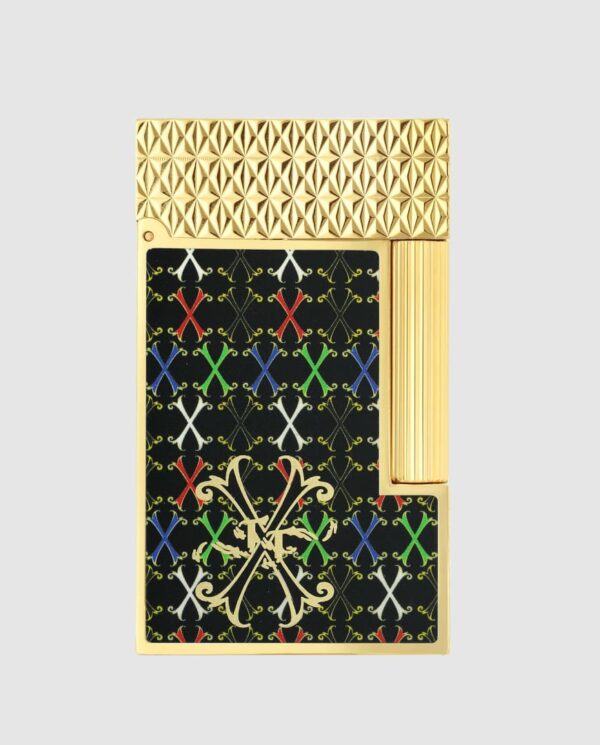
Price follows purpose—and artistry
An S.T. Dupont lighter can cost a little over one hundred dollars or several thousand. That enormous span makes sense only when the collections are separated by what they are built to be. MiniJet is a compact torch designed for approachable daily carry. Ligne 2 is a brass-bodied luxury icon shaped by metalwork, finishing and ritual. Maki-e and other exceptional editions move closer to decorative art, where scarcity and labor matter as much as ignition.
This guide uses current KingZendo prices observed in July 2026 to establish realistic United States dollar budget bands. It is not a promise that every finish will remain at the same figure. Promotions, stock, currency, taxes, shipping and the exact reference can change the final amount. The goal is to help you recognize a sensible price for the category—and understand what should accompany it.
The price ladder
Five budgets, five different S.T. Dupont experiences
Compact entry
MiniJet brings torch performance and brand design into the most accessible current price tier.
Daily performance
MaxiJet and Slim 7 focus on wind resistance, portability and useful modern engineering.
Premium jet
Biggy, Slimmy and Twiggy add stronger material presence, lacquer and distinctive silhouettes.
Maison icons
Ligne 1, Ligne 2 and Le Grand deliver the traditional luxury-lighter ritual and collector weight.
Collector art
Special collaborations, elaborate lacquer and Maki-e artistry create a much higher ceiling.
Current collection guide
S.T. Dupont lighter prices by model
These observed bands are practical shopping references, not fixed manufacturer prices. Some categories extend beyond the examples shown, especially when a collaboration, precious treatment or highly limited edition enters the range.
| Collection | Observed KingZendo band | What the money buys | Best value for | What raises the price |
|---|---|---|---|---|
| MiniJet | About $105–$180 | Compact torch, colorful body, portable format | First-time buyers and practical gifts | Geode treatments and special graphics |
| MaxiJet | About $195–$275 | Ergonomic single torch and everyday cigar performance | Frequent outdoor users | Lacquer, dragon motifs and collaborations |
| Slim 7 | About $195–$255 | Ultra-thin construction and flat wind-resistant flame | Travel and tailored pockets | Lacquer, seasonal motifs and special colors |
| Biggy | About $320–$460 | Wide 2 cm torch and Ligne 2-inspired presence | Large cigars and premium daily carry | Monograms, cigar collaborations and patterned metal |
| Slimmy | About $325–$385 | Slim premium-jet form with lacquered finishes | Modern design collectors | Licensed themes and seasonal editions |
| Twiggy | About $330–$375 | Elongated 1960s-inspired silhouette and torch flame | Fashion-led gifting and carry | Collaboration artwork and lacquer complexity |
| Ligne 1 | About $1,070–$1,550 | Compact heritage, traditional mechanism and metalwork | Understated collectors | Branded collaborations and elaborate lacquer |
| Ligne 2 | About $1,150–$1,600 for many pieces; $6,800+ for select art editions | Iconic proportions, soft-flame ritual, “cling” and hand finishing | The signature collector experience | Maki-e, Urushi, precious treatments and scarcity |
| Le Grand | About $1,250–$1,780 | Dual soft and torch flames, large capacity and flagship scale | Serious cigar smokers | Collaborations, lacquer and special presentation |
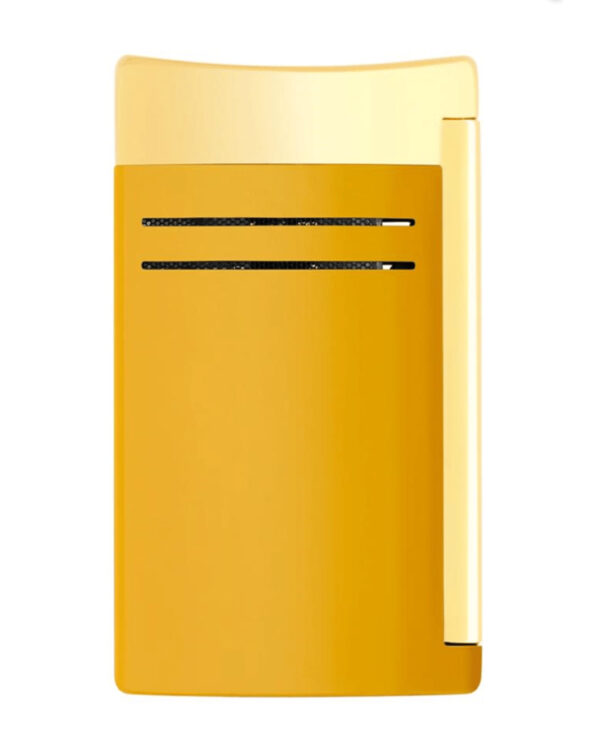
The best value is often a modern torch
The lower price of MiniJet, MaxiJet and Slim 7 does not mean they are failed versions of Ligne 2. They have a different design brief. Their value is concentrated in ignition performance, portability and contemporary finishes rather than a complex cap, resonant opening action or traditional brass-bodied ceremony.
MiniJet is the accessible gateway. Current examples began near $105 and extended toward $180 when reviewed. MaxiJet and Slim 7 typically occupied the next step around $195–$275. MaxiJet favors hand feel and practical cigar use; Slim 7 pays for technical thinness. Both can be better purchases than a more expensive soft-flame model if wind resistance and daily carry are the real priorities.
This tier is also gift-friendly. The buyer can choose color and personality without making the recipient responsible for a four-figure collector object. Keep expectations correct: the experience is modern performance luxury, not the acoustic and mechanical ritual of Ligne 2.
Explore MaxiJet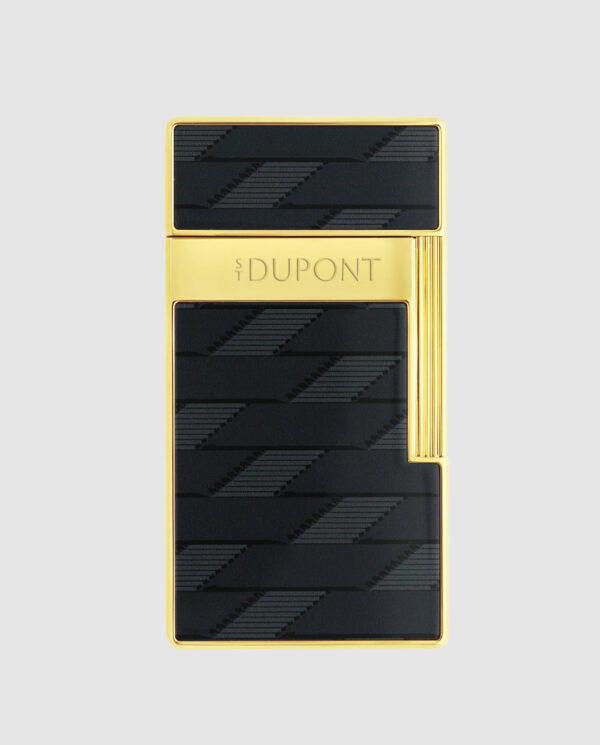
Premium jets are the middle of the market
Biggy, Slimmy and Twiggy form a persuasive bridge between attainable jets and four-figure icons. Their price reflects more expressive silhouettes, lacquer, metal detailing and collection-specific identity. They feel chosen rather than merely purchased for ignition.
Biggy offers the strongest performance story: a wide torch for cigars in a form inspired by Ligne 2. Current KingZendo examples ranged from about $320 for a lacquer-and-gold execution to around $460 for Monogram, Fire X and collaboration pieces. Slimmy commonly appeared around $325–$385, while Twiggy examples clustered around $330–$375.
This is arguably the sweet spot for a design-conscious buyer who wants visible S.T. Dupont character but does not need the traditional cap-opening mechanism. The best value comes from choosing a silhouette first, then paying extra only for a finish or collaboration that has personal meaning.
Explore BiggyPrice tells you where a lighter sits in the collection. Value tells you whether its ritual belongs in your life.
The four-figure threshold
Why Ligne 1, Ligne 2 and Le Grand cost more
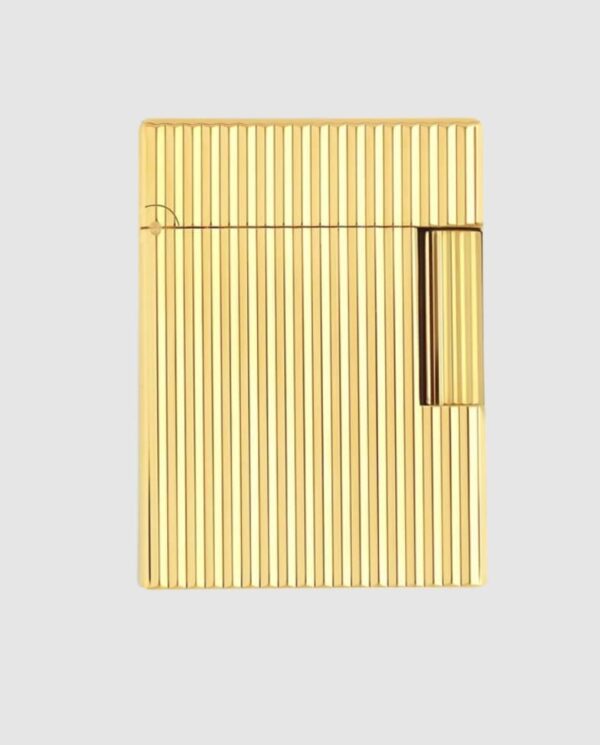
Ligne 1
You are paying for compact heritage, traditional construction and the reintroduction of an important house design. Standard metal or lacquer references sat around $1,070–$1,100, while a cigar collaboration reached roughly $1,550 when reviewed.
Shop Ligne 1 →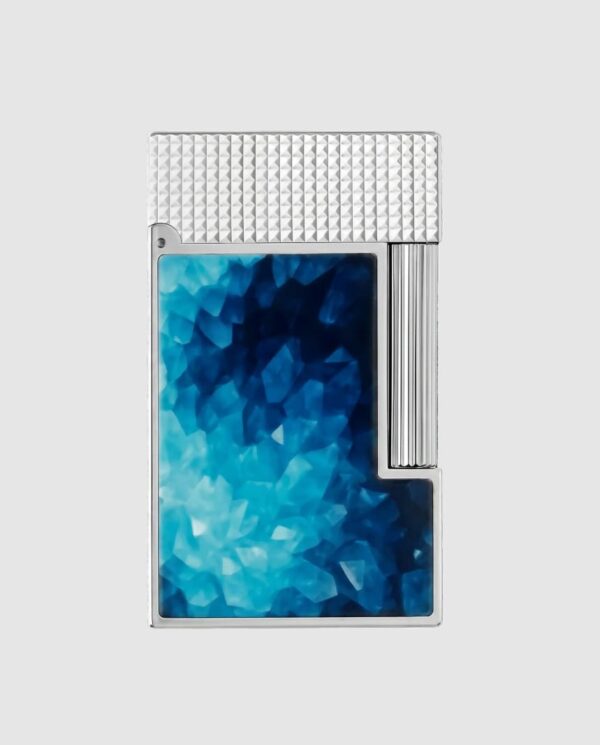
Ligne 2
The premium pays for the Maison’s signature proportions, substantial construction, refined surfaces and celebrated opening “cling.” Collaboration and Maki-e references can depart dramatically from the standard band.
Shop Ligne 2 →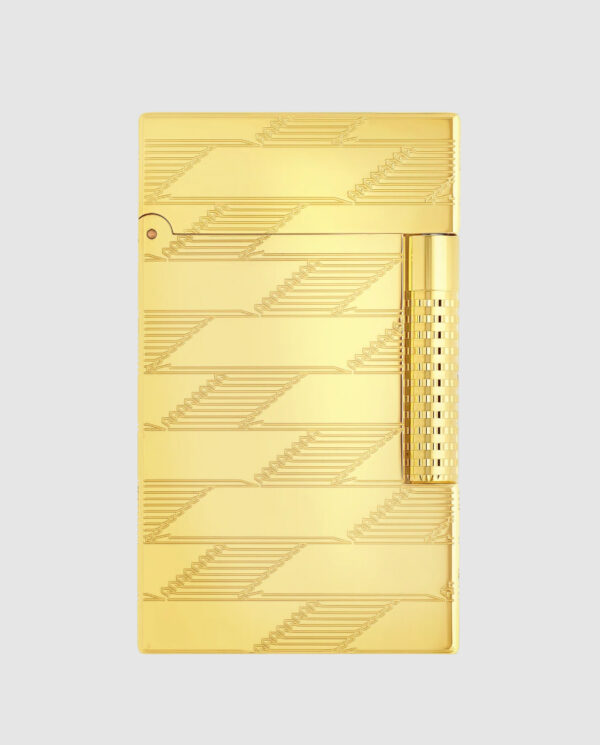
Le Grand
Le Grand adds dual soft and torch ignition, greater scale and serious cigar versatility. The cost is easiest to justify when one lighter must cover both ceremony and performance.
Shop Le Grand →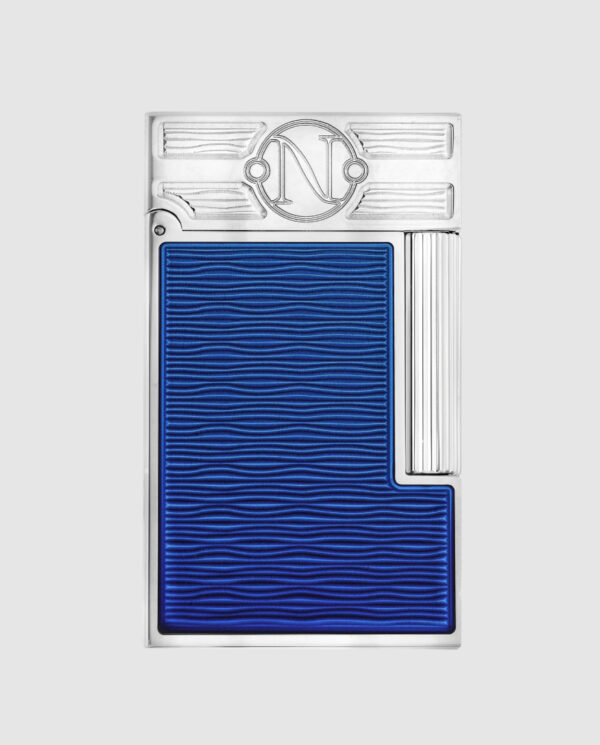
When a lighter becomes decorative art
Above the mainstream Ligne and Le Grand range, price becomes less linear. A more expensive piece may share its basic mechanism with a standard reference, yet require far more labor in lacquer, engraving, Maki-e decoration or specialized finishing. Production quantity, artist involvement and presentation can matter as much as technical complexity.
In July 2026, a Jules Verne Ligne 2 example was listed around $1,599 after discount, while a Maki-e Dragon Urushi Ligne 2 reached $6,800. Those two products inhabit the same family but not the same collecting proposition. One offers a themed interpretation of the icon; the other asks the buyer to value rare decorative craft.
At this level, do not judge price by flame alone. Examine the exact reference, edition information, finish technique, condition, presentation set and provenance. The best purchase is a piece whose artistry you understand well enough to explain without mentioning its price.
Explore Collector Ligne 2What creates the premium?
Six factors that shape S.T. Dupont prices
1. Mechanism and construction
A compact torch has fewer ceremonial components than a substantial cap-opening lighter. Dual ignition, capacity, adjustment and mechanical complexity all affect engineering and assembly. Le Grand costs more than MaxiJet because it is solving a broader and more elaborate brief.
2. Lacquer, guilloché and decorative labor
Deep lacquer, patterned metal and hand-applied decorative techniques create visual depth that mass finishing cannot imitate. Maki-e and Urushi work can transform the lighter from a luxury tool into a miniature art object, which explains why prices can multiply within the same collection.
3. Materials and surface treatment
Gold-toned, palladium, silver and precious-metal executions vary in cost and production difficulty. The base construction, plating, engraving and polish should all be considered—not merely the color named in a product title.
4. Collaboration and licensing
Cigar houses, artists, entertainment properties and cultural themes create limited narratives. Branded presentation, custom motifs and lower production can add a premium. Whether that premium represents value depends on the buyer’s attachment to the subject.
5. Scarcity and condition
Discontinued and limited references can move independently of current retail pricing. On the secondary market, unused condition, original box, documentation and a verifiable reference often matter greatly. Wear is not automatically bad, but it must be reflected honestly in price.
6. Retail discount and availability
Manufacturer pricing, retailer sale pricing and secondary-market asking prices are three different numbers. Compare the exact reference rather than the collection name alone. A large discount can be legitimate, but authenticity, condition and after-sales support remain part of the value equation.
Spend where it changes the experience
What should you buy at each budget?
- Under $200: choose MiniJet for compact torch performance and an approachable introduction to S.T. Dupont.
- Around $200–$300: choose MaxiJet for everyday cigar use or Slim 7 when thinness matters more than hand-filling weight.
- Around $325–$500: choose Biggy for wide-flame cigar performance, Slimmy for architectural restraint or Twiggy for fashion-led style.
- Around $1,000–$1,300: look at standard Ligne 1 and selected classic Ligne 2 references for the traditional collector experience.
- Around $1,300–$1,800: compare richer Ligne 2 editions, Le Grand dual-flame models and collaborations with complete presentation.
- Above $1,800: buy only after understanding the artistic technique, scarcity, reference and personal story that justify the additional premium.
The price beyond checkout
Fuel, service and the true cost of ownership
The purchase price is only the opening figure. A regular user should allow for compatible fuel, replacement flints where applicable and a protective case. These costs are modest beside the lighter, but correct consumables support reliable ignition and reduce avoidable service issues.
International buyers should also consider shipping, insurance, import duties, VAT and currency conversion. A seemingly cheaper overseas listing can become less attractive after landed cost is calculated. Lighters are commonly shipped without fuel, and local transport rules may affect how refills are obtained.
Long-term service is part of responsible ownership. Precision mechanisms can require professional attention, especially after years of use or long storage. Retain the invoice, box, warranty information and reference details. Complete provenance supports service, future resale and the possibility of passing the lighter to another collector.
Price questions
S.T. Dupont lighter price FAQ
How much does an S.T. Dupont lighter cost?
Current KingZendo examples reviewed in July 2026 ranged from about $105 for selected MiniJet lighters to roughly $1,800 for many premium Ligne and Le Grand models. Exceptional Maki-e and artistic editions can cost $6,800 or more.
What is the cheapest S.T. Dupont lighter collection?
MiniJet is generally the most accessible current collection. KingZendo examples reviewed in July 2026 were listed from about $105 to $180, depending on finish, graphics, availability and promotion.
How much should I expect to pay for a MaxiJet or Slim 7?
Many MaxiJet and Slim 7 examples were listed between approximately $195 and $275 when reviewed. Standard finishes often sit near the lower end, while lacquer, special colors and themed editions can cost more.
Why is an S.T. Dupont Ligne 2 so expensive?
Ligne 2 pricing reflects substantial construction, precise mechanism, refined metalwork, lacquer or guilloché finishing and the collection’s iconic opening ritual. Elaborate collaborations, Maki-e decoration and limited production can raise the price dramatically.
How much does an S.T. Dupont Le Grand lighter cost?
Many current KingZendo Le Grand examples reviewed in July 2026 were listed between about $1,250 and $1,780. Finish, collaboration, condition, presentation and promotion can move an individual reference outside that band.
Are discounted S.T. Dupont lighters authentic?
A discount alone does not determine authenticity. Verify the exact reference, original photographs, condition, packaging, warranty information and seller credentials. Compare the same model rather than assuming every lighter in a collection has identical value.
Do limited-edition S.T. Dupont lighters hold their value?
Some limited and artistic editions can retain strong collector interest, but value is not guaranteed. Scarcity, condition, complete presentation, provenance, cultural relevance and buyer demand all influence future resale.
What extra costs should I budget for after buying?
Allow for compatible fuel, flints where required, a protective case, possible professional service and any shipping, insurance, import tax, VAT or currency-conversion costs. Keep the box, papers and invoice to protect provenance.