
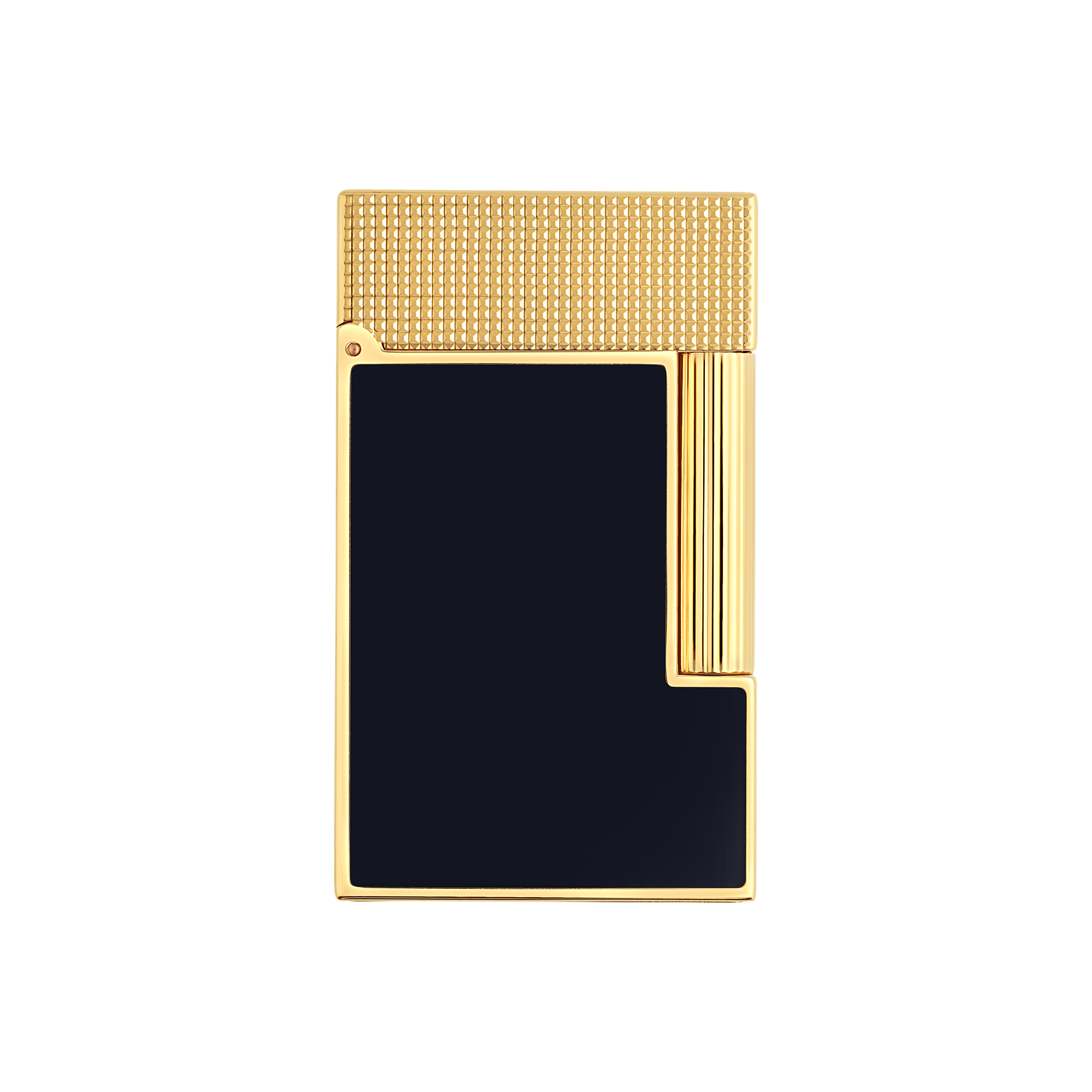
Common S.T. Dupont Lighter Problems and How to Fix Them
A calm, model-aware guide to diagnosing ignition, flame, refill and finish problems—without turning a collectible lighter into an experiment.
A fine lighter has a small vocabulary of signals: the resistance of its wheel, the snap of its lid, the shape of its flame and, on a classic Ligne 2, that famously satisfying opening note. When one of those signals changes, the temptation is to reach for a screwdriver. Restraint is usually the more sophisticated tool.
Most common S.T. Dupont lighter problems fall into four groups: the wrong consumable, an ordinary wear item, visible surface contamination, or an internal fuel-system fault. The first three may have a safe owner-level solution. The fourth belongs with a qualified repairer. The art of troubleshooting is not merely making the lighter fire again; it is knowing which boundary protects its mechanism, finish and collector value.
Start with the symptom, not a guess. Confirm the exact model, identify whether it uses flint or piezo ignition, verify the specified S.T. Dupont gas refill, and inspect only what can be seen without dismantling the lighter. Replace a compatible flint, refill correctly, adjust the external flame control modestly and clean loose surface dust. Stop immediately for a persistent gas smell, damaged valve, seized control, jet obstruction or any repair that requires opening the fuel system.
If you hear a continuing hiss or smell gas after the refill has been removed, do not test the flame. Move the lighter away from heat, sparks and direct sun, ventilate the area and arrange service. Never work on a lighter while it is hot or lit, and never use solvent, a needle, wire or improvised pressure on the burner or valve.
Quick diagnosis: symptom, cause and safe next step
This table is the fastest route from “it does not work” to a useful diagnosis. It is intentionally conservative: if a simple external check does not resolve the fault, the next step is inspection rather than escalating to invasive home repair.
| Symptom | Likely causes | Owner-safe response | Service trigger |
|---|---|---|---|
| No spark and no flame | Worn or incorrect flint on a flint model; jammed wheel; piezo ignition fault | Confirm ignition type, fit the specified flint, remove only loose visible debris | Wheel remains seized or piezo model still produces no spark |
| Spark but no flame | Empty reservoir, wrong refill, low setting, cold lighter or fuel-flow fault | Verify model and refill, fill correctly, allow to reach room temperature, retry indoors | Correctly fueled lighter repeatedly fails |
| Flame lights, then dies | Low fuel, low adjustment, wind, temperature or regulator issue | Refill, warm naturally and make a small external flame adjustment | Flame remains unstable in calm room conditions |
| Weak or uneven torch | Low fuel, cold conditions, dust near burner or jet restriction | Use correct gas and brush away loose surface dust when cool | Jet remains uneven; never probe it |
| Gas sprays during refill | Nozzle misalignment, wrong refill or adapter, excessive pressure | Stop, verify compatibility, align squarely and press gently | Valve leaks after refill is removed |
| Persistent hiss or gas odor | Valve, seal or regulator leak | Do not ignite; isolate from heat and ventilate | Immediate professional inspection |
| Le Grand uses only one flame mode | Incomplete control movement, low fuel or internal switching fault | Review the model’s normal control sequence and refill correctly | Dual ignition remains inconsistent |
| Finish looks dull or tarnished | Fingerprints, natural silver oxidation, unsuitable storage | Use a soft cloth; use a dedicated silver cloth only on silver-coated areas | Deep scratches, lifting lacquer or plating damage |
1. The lighter sparks but will not ignite
A visible spark tells you that the ignition system is at least attempting its job. The investigation should now move to fuel delivery. First, verify that the lighter actually contains fuel. Refill cans can feel substantial even when they no longer contain enough liquid gas to make a useful transfer, and a short blast of escaping propellant can sound like a successful fill when it was not.
Next, confirm the exact lighter family. A Ligne 1, a Ligne 2, a Le Grand Dupont and a modern MaxiJet do not all use the same consumable or ignition arrangement. Color coding on genuine refills is functional, not decorative. Matching by nozzle appearance alone is an avoidable gamble.
- Identify the model. Use its documentation, reference markings and original packaging where available.
- Check the specified gas. Follow the current compatibility information for that exact model rather than assuming one can fits the entire brand.
- Refill in a ventilated area. Keep all flames and ignition sources away, seat the refill squarely, invert the lighter and refill together, then press gently for about five seconds.
- Let the lighter stabilize. If it is cold, allow it to return naturally to room temperature. Do not heat it.
- Test in calm conditions. Set the external flame control to a moderate position and retry away from wind.
For a dedicated walkthrough, read how to refill an S.T. Dupont lighter and the companion guide to choosing the correct S.T. Dupont gas. If the lighter is correctly filled, warm and sparking but still cannot sustain a flame, the fault may be beyond a safe external fix.

2. The lighter will not spark
On a flint-ignition lighter, the first suspect is usually the flint itself. Flint is a wear item: each turn of the wheel sacrifices a tiny amount to create the spark. Eventually it becomes too short to reach the wheel, or old fragments and dust prevent it from advancing smoothly. A wheel that turns with almost no gritty resistance often points toward a depleted flint; a wheel that will not turn at all may indicate a jam.
Do not assume that every S.T. Dupont takes the same flint. The brand’s current guidance associates black flints with classic families including Ligne 1 and Ligne 2, while current Le Grand product specifications list a red flint. Compatibility varies by collection and generation, so confirm it before installation. Our illustrated guide to replacing an S.T. Dupont lighter flint explains the non-invasive process in detail.
| Lighter type | Ignition clue | First check | What not to do |
|---|---|---|---|
| Classic flint model | Mechanical wheel creates the spark | Confirm and replace the model-specified flint | Do not force a seized wheel |
| Le Grand dual-flame model | Model-specific mechanism and consumables | Check its current product instructions; many current examples specify red flint | Do not substitute by color guesswork |
| Piezoelectric torch model | Button or trigger produces an electrical spark | Check for a visible spark and correct gas | Do not dismantle it looking for a flint |


With the lighter cool and unlit, remove only loose, visible flint dust using a soft dry brush. Do not pour fluid into the wheel housing, scrape the mechanism or attack a jam with force. A collector-grade lighter is made to tolerances that do not reward improvisation. If a new correct flint will not feed, professional attention is the sensible next step.
3. The flame is weak, low or unstable
Flame behavior is diagnostic only when the test conditions are controlled. A soft yellow flame is naturally more vulnerable to a draft than a torch. Butane pressure also falls in cold conditions, which can make an otherwise healthy lighter seem lethargic. Before suspecting the regulator, bring the lighter to normal room temperature, move indoors, confirm a proper refill and select a moderate flame setting.
If the flame is too low, use only the external adjustment intended for the user and move it in small increments. Avoid repeatedly cycling from minimum to maximum. If a flame becomes abnormally tall, pulses, changes dramatically between uses or cannot be stabilized, stop testing. That behavior may point to a regulator or valve issue rather than an adjustment problem.
Soft-flame and torch lighters should not be judged by the same flame shape. A Ligne 2 is prized for a composed, ceremonial soft flame; Slim 7, Slimmy, Biggy, MaxiJet and MiniJet models are selected for concentrated torch performance. Compare each lighter with the normal behavior of its own flame system.
4. A torch flame is uneven or sputtering
An uneven torch can come from low fuel, cold fuel or contamination around the visible burner. Once the lighter is fully cool, look across the burner opening in good light. A soft, clean, dry brush may lift loose lint from the surface. Stop there. Never insert a needle, pin, wire or drill into the jet. The opening is calibrated, and a tool can deform it, disturb the ignition relationship or push debris deeper into the assembly.
Likewise, compressed air is not an all-purpose cure. An uncontrolled blast can drive debris into the lighter and affect delicate components. If the correct refill and a careful surface clean do not restore a clean torch, the obstruction belongs on a technician’s bench. That is especially true for a broad-flame Biggy or an ultra-thin model where the system is packaged into very little space.

5. Gas sprays or escapes during refilling
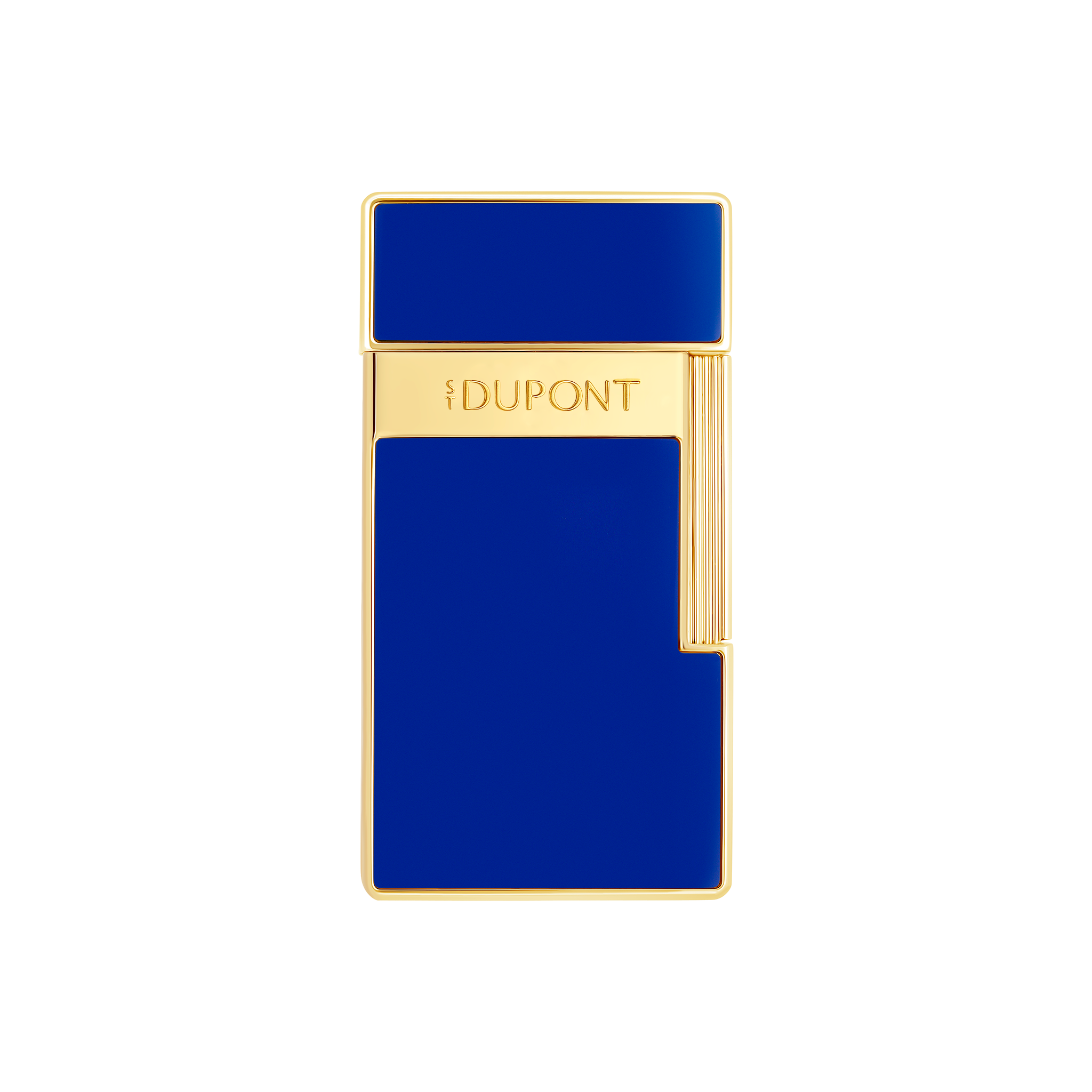
A brief trace of gas at the moment of separation is not the same as a lighter that continues to leak. Spray during the fill commonly suggests that the nozzle is not square to the valve, the refill is incompatible, an adapter is being misused or the can is being pressed too aggressively. Stop, let any escaped gas disperse, check the model’s refill specification and try again only when the area is safe.
Hold the connection vertically and steadily. Do not rock the can against the valve, force a generic adapter into place or continue pressing while gas sprays around the connection. Those actions do not “help the seal”; they can damage it. The best refill is quiet, controlled and unremarkable.
A hiss that continues after the can is removed is entirely different. So is a strong gas odor that returns after ventilation. Do not click the ignition to “see if it still works.” Internal seals, valves and regulators are service parts, and S.T. Dupont’s after-sales process explicitly includes work on these functional components along with leak and operation checks.
6. The ignition wheel feels jammed or rough
A rough wheel may be caused by a worn flint fragment, accumulated flint dust or a mechanical issue. Begin with the replaceable consumable only if the lighter’s official instructions treat the flint as owner-serviceable. Open the flint compartment as directed, keep track of the spring and fit the correct flint without modifying it.
Do not add oil or general-purpose lubricant. A product that makes a hinge feel free can migrate, retain dust, affect ignition or mark lacquer. If the wheel remains seized after the safe flint procedure, stop turning it. Forced movement can turn a small obstruction into damage to the wheel, spring or housing.
Originality matters. On a vintage, engraved or limited-edition lighter, document the serial and reference details, photograph the condition and keep replaced parts or service paperwork. A transparent maintenance history is more reassuring than an invisible home repair of unknown quality.
7. Le Grand will not switch flame modes correctly
The Le Grand Dupont is distinctive because current models combine a soft yellow flame with a blue torch mode. That sophistication creates a problem category of its own: a lighter may ignite but fail to access one mode consistently.
Before calling it broken, review the intended control sequence for the exact reference, refill it with the specified gas and test it at room temperature. Avoid snapping, forcing or repeatedly over-traveling the actuator. If one flame mode remains unavailable—or if the lighter changes modes unpredictably—the switching mechanism deserves inspection. This is not a fault to solve by dismantling the cap or burner assembly.
Collectors comparing the experience of traditional and dual-flame models can browse both the Ligne 2 collection and Le Grand selection before choosing a replacement or companion piece.
8. Lacquer, metal and plating look dull
Not every “problem” is mechanical. Fingerprints soften the brilliance of polished metal, and silver-coated surfaces naturally oxidize. S.T. Dupont’s care guidance is refreshingly restrained: clean surfaces with a soft cloth and avoid solvent-based products. Silver-coated areas may be treated with a cloth designed specifically for silver. Lacquer should be treated with the delicacy of eyeglass lenses—lightly mist or fog the surface, then wipe with a soft cloth.
Do not use metal polish across mixed materials, and do not assume a product safe for bare metal is safe for lacquer or plating. Keep lighters from prolonged contact with reactive rubber or leather during storage, particularly when silver surfaces are involved. For the full routine, see how to clean and maintain an S.T. Dupont lighter.
| Surface | Collector-safe care | Avoid |
|---|---|---|
| Lacquer | Light mist or breath fog, then a very soft clean cloth | Solvent, abrasive polish and hard rubbing |
| Silver-coated finish | Dedicated silver cloth used gently | Leaving it in reactive leather or rubber for long periods |
| Gold or palladium finish | Soft dry cloth for fingerprints and dust | Universal metal polish and abrasive compounds |
| Burner area | Soft dry brush for loose visible dust when completely cool | Needles, wire, solvent and internal probing |
9. Problems caused by storage and temperature
A lighter stored in a cold car may produce a weak flame because the gas pressure has fallen. A lighter left in direct sun or extreme heat presents a far more serious risk. Refill cans should never be stored above 50°C, and both lighter and refill should remain away from flame, sparks and children. Let a cold lighter warm naturally; never put it on a radiator, under hot water or beside a heater.
Long-term storage should be clean, dry and stable. Use a soft pouch or compartment that prevents impact without trapping the lighter against reactive material. Keep it separate from keys and cutters. If you are building a coordinated cigar kit, use a fitted S.T. Dupont cigar case and store a cigar cutter in its own section rather than letting metal accessories collide.
10. What not to do to an S.T. Dupont lighter
The internet contains plenty of repair rituals that confuse “possible” with “wise.” A valuable lighter is not the place to test them. Avoid the following shortcuts:
- Do not insert needles, wire or drill bits into the burner jet.
- Do not force a refill, mismatched adapter, valve or seized ignition wheel.
- Do not dismantle the reservoir, regulator, valve, seals or dual-flame mechanism.
- Do not apply general lubricant to the wheel, hinge or control without model-specific professional guidance.
- Do not use solvent, abrasive paste or household metal cleaner across lacquer or plated finishes.
- Do not heat a cold lighter, and do not test-ignite a lighter that smells of gas.
- Do not assume a piezo torch contains a replaceable flint.
- Do not repeatedly fire an abnormal flame in the hope that the fault will clear itself.
When owner care ends and professional service begins
A soft cloth, correct refill, correct flint and modest external adjustment are owner care. Regulator, valve, seal, flapper, knob, reservoir and internal ignition work are repairs. That distinction is practical, not precious: fuel-system integrity is a safety issue, and precision parts influence both reliability and value.
Professional inspection is appropriate when the lighter leaks, smells persistently of gas, will not ignite after correct consumable checks, has damaged controls, exhibits an obstructed jet, produces an uncontrollable flame or fails to switch modes reliably. It is also the wiser default for inherited pieces whose previous repairs and refill history are unknown.
Before sending a collectible lighter, photograph every face in soft light, record its markings, remove loose accessories and ask what will be replaced. Keep the estimate and completed service record. If the lighter is used daily rather than displayed, consider adding a modern torch from the Twiggy, Slimmy or MaxiJet range so the vintage piece is not asked to carry every occasion.
A model-aware troubleshooting kit
The best kit is deliberately small: the correct official refill, the correct flint if the model uses one, a soft lint-free cloth, a dedicated silver cloth for silver-coated surfaces and a very soft dry brush for loose dust. Add the model reference and care instructions on a card. The missing items are as important as the included ones—no needles, solvent, abrasive polish, generic adapters or bottles of oil.
A lighter that needs service is not necessarily a poor acquisition. Wear items and seals belong to the life of a functional object. What matters is whether the piece has been treated with sympathy: correct consumables, measured maintenance and documented professional work. The lighter’s story should accumulate character, not mystery.
Frequently asked questions
What is the most common S.T. Dupont lighter problem?
Failure to ignite is the most common complaint, but it can describe several different faults. Check whether the lighter produces a spark, whether the reservoir was filled with the correct refill, and whether the flame control is set appropriately before assuming an internal failure.
Why does my S.T. Dupont lighter spark but not light?
A lighter that sparks but produces no flame may be empty, incorrectly refilled, set too low, or affected by a fuel-flow issue. Confirm the exact model and compatible refill, let the lighter reach room temperature, refill it in a ventilated area, and retry away from drafts. Persistent failure should be professionally assessed.
Why is my S.T. Dupont lighter not sparking?
On flint-ignition models, a worn, incorrect, or jammed flint is a common cause. Replace it with the model-specified flint and clean only loose visible debris. On piezoelectric torch models, do not look for a flint unless the official model instructions list one; a continuing ignition fault may require service.
Why does gas leak while I refill my S.T. Dupont lighter?
Brief spray during filling often means the refill is not seated squarely, the wrong refill or adapter is being used, or excessive pressure is being applied. Stop, verify compatibility, align the nozzle vertically, and try again gently. A continuing hiss or gas odor after the refill is removed is a service issue.
Why is my S.T. Dupont torch flame weak?
A weak torch can result from low fuel, a low flame setting, cold conditions, a poor refill connection, or contamination around the visible burner opening. Use the correct gas, allow the lighter to warm naturally, and remove only loose surface dust with a soft dry brush. Do not insert tools into the jet.
Can I clean an S.T. Dupont burner with a needle?
No. A needle can distort the calibrated jet, push debris farther inside, or damage ignition components. Limit owner cleaning to loose visible dust around a cool, unlit burner using a soft dry brush, and use professional service for an obstruction that remains.
Can I repair an S.T. Dupont gas leak myself?
Internal gas leaks should not be treated as a do-it-yourself repair. Do not ignite the lighter, keep it away from heat and sparks, ventilate the area, and arrange professional inspection. Valves, regulators and seals are precision fuel-system parts.
When should I send an S.T. Dupont lighter for service?
Arrange service for a persistent leak or gas odor, repeated ignition failure after correct refilling and flint checks, damaged controls, an obstructed jet, inconsistent dual-flame switching, or any fault that would require opening the fuel system. Vintage and limited-edition lighters also deserve a lower threshold for professional care.
Find an S.T. Dupont worthy of your ritual
Whether you are replacing an everyday torch, adding a dual-flame Le Grand or searching for the unmistakable ceremony of Ligne 2, KingZendo brings the major S.T. Dupont families together in one collector-friendly destination.
Shop S.T. Dupont Browse luxury lightersCare and compatibility references: S.T. Dupont lighter care, official refills and flints guidance, S.T. Dupont after-sales service and current model specifications. Always follow the instructions supplied for the exact lighter reference.