
The KingZendo Collector’s Workshop
How to Clean and Maintain an S.T. Dupont Lighter
Fine care is almost invisible: a soft cloth, the correct refill, a light hand and the discipline to leave precision internals to the people equipped to service them.
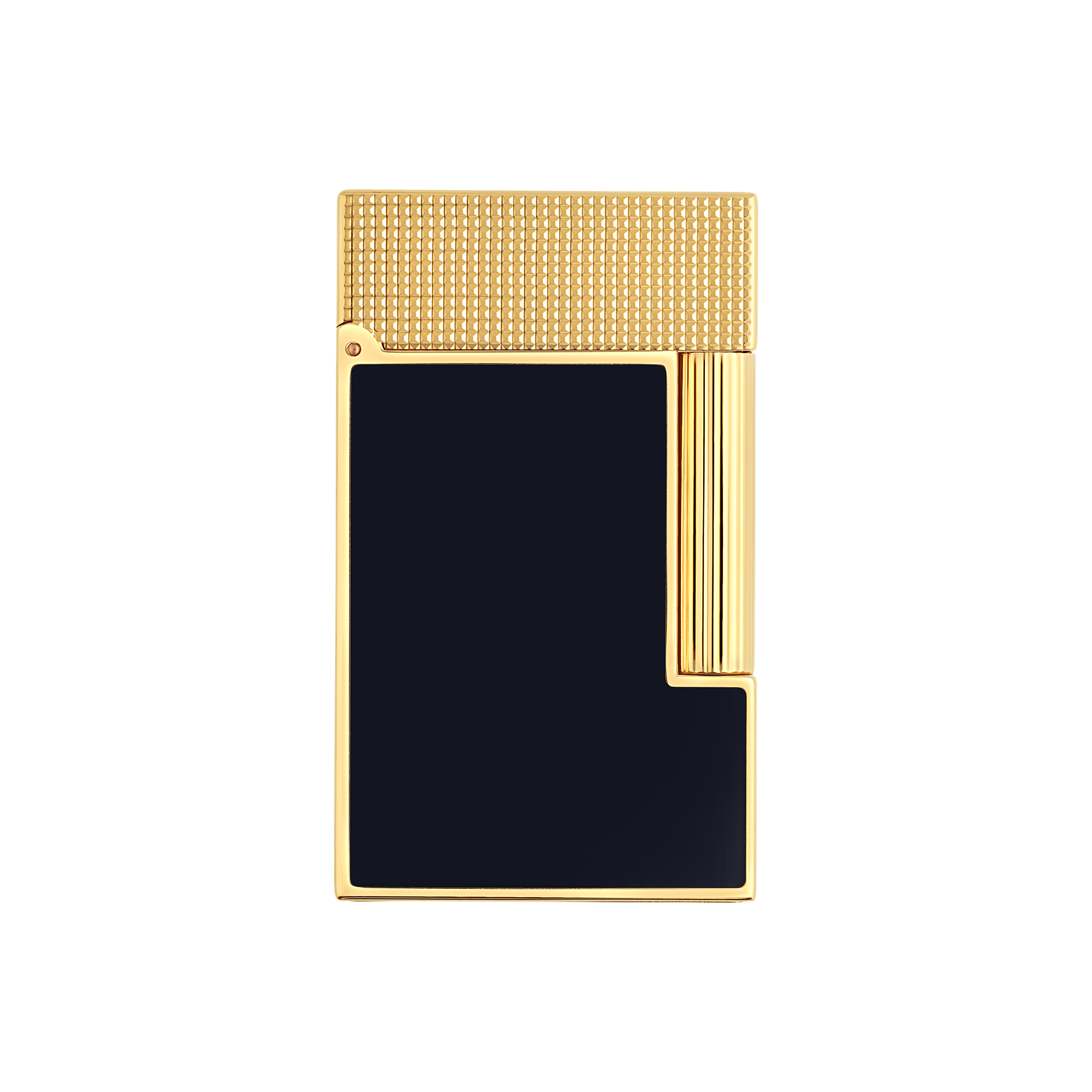
The essential method
Clean the finish gently. Maintain the mechanism precisely.
The safest way to clean an S.T. Dupont lighter is to let it cool, close it, remove loose dust with a clean soft cloth and wipe the exterior according to its finish. Solvent-based products are not recommended. Lacquer is treated much like an eyeglass lens: lightly mist the surface and wipe with a soft cloth. Silver-coated surfaces may be polished with a specialist silver cloth, while plated gold, palladium, chrome, printed and matte finishes deserve gentle, non-abrasive wiping.
Maintenance continues beyond shine. Use the exact gas refill and flint specified for the model, keep the burner exterior free from visible debris without inserting tools, protect the lighter from heat and prolonged moisture, and arrange professional service for leaks, regulator faults or internal wear. A luxury lighter rewards restraint more than aggressive cleaning.
Before you begin
A minimal care kit is the safest care kit
You do not need a drawer full of chemicals. Good lighting, clean hands and dedicated non-abrasive materials matter more than a complicated polish collection.
Soft microfiber cloth
Choose a freshly washed, lint-free cloth with no trapped grit. Keep it reserved for lighters and fine metal objects.
Specialist silver cloth
Use only for silver-coated surfaces when oxidation appears. Do not carry the same cloth across lacquer or other finishes.
Correct fuel and flint
Match the lighter reference to S.T. Dupont’s current color-coded gas and flint compatibility guidance.
Soft parts tray
An ivory suede or microfiber tray protects the case and catches a spring, screw or flint during permitted maintenance.
Finish-by-finish care
How to clean lacquer, gold, palladium and silver
| Surface | Safest routine | Avoid | Collector note |
|---|---|---|---|
| Natural lacquer | Lightly mist as you would an eyeglass lens, then wipe with a clean soft cloth. Finish with a dry section of cloth. | Solvent, abrasive polish, stiff brush and hard rubbing around edges. | Lacquer is durable, but microscopic grit in a cloth can still create visible hairlines under strong light. |
| Gold or gold-plated finish | Use a clean, dry soft cloth with light pressure to remove fingerprints and surface haze. | General metal polish, jewelry dip and aggressive polishing that can thin plating or soften crisp detail. | Patina and fine handling marks can be part of honest ownership; do not chase mirror perfection. |
| Palladium or chrome | Wipe gently with a soft cloth, turning the cloth frequently so lifted particles do not travel across the finish. | Abrasive compound, rough paper towel and repeated hard buffing. | Highly reflective surfaces reveal pressure marks readily; a clean cloth and straight passes help. |
| Silver-coated surface | Begin with a soft cloth. Use a specialist silver cloth from a reputable shop only when oxidation needs attention. | Liquid silver dip, harsh compound and prolonged storage against leather or rubber. | S.T. Dupont notes that silver oxidation is natural and may be intensified by extended leather or rubber contact. |
| Matte, printed or decorated finish | Use a dry soft cloth and minimal pressure. Follow edition-specific instructions when supplied. | Polish that changes sheen, catches raised decoration or removes printed detail. | Limited-edition decoration may combine multiple materials; the most delicate surface controls the method. |
| Burner and ignition exterior | After the lighter is cool, wipe only reachable exterior surfaces gently and remove loose visible lint. | Needles, wires, solvent, liquid inside the burner, compressed probing or fuel-system disassembly. | Internal restriction, electrode damage and regulator faults belong with qualified service. |
The seven-step ritual
How to clean an S.T. Dupont lighter safely
- Let the lighter cool completely. Work in ventilation away from flames, sparks, heat and smoking materials. Close the lid or ignition control before handling.
- Inspect before wiping. Look for grit, leaking fuel, a loose component, damaged lacquer or a jammed wheel. Cleaning should not hide a mechanical problem that needs service.
- Prepare a spotless cloth. Shake out or replace any cloth that may contain dust. Remove rings and bracelets that could contact the lighter.
- Lift loose dust with light passes. Support the lighter over a padded tray and wipe without pressing debris into the finish.
- Treat the surface correctly. Mist lacquer lightly and wipe as an eyeglass lens; keep plated and matte finishes dry; use a specialist silver cloth only for appropriate silver surfaces.
- Clean the accessible mechanism exterior. With the lighter cool and closed where possible, remove only loose visible lint. Do not push cloth, liquid or metal tools into the burner or valve.
- Inspect and store. Confirm the lighter is completely dry, check that controls move normally without ignition testing near flammables, then return it to a clean presentation box or suitable protective case.
Objects of lacquer and light
Different collections, different care priorities


A classic Ligne 2 often places a polished cap, lacquer panels and ignition wheel within millimeters of each other. Use separate clean areas of cloth as you move from one finish to another. A heritage Ligne 1 deserves the same restraint, especially when age and previous polishing are unknown.
A dual-flame Le Grand adds a mode selector and additional burner architecture. Clean only what is visible and externally accessible. Torch-focused Biggy, Slimmy, Slim 7, MaxiJet, MiniJet and Twiggy models place performance at the burner; this makes the rule against jet probing especially important.
Maintenance beyond polishing
Fuel, flint and ignition care

Use the exact gas refill
S.T. Dupont uses multiple color-coded butane refill interfaces. The color identifies compatibility—not the lighter’s finish or flame. Match the model reference to the current refill listing, secure the refill to the valve, invert the equipment and gently press for five seconds in a ventilated area.
Read KingZendo’s complete answer to What Gas Does an S.T. Dupont Lighter Use? and the detailed S.T. Dupont refill guide.
Replace the specified flint
On flint-ignition models, fewer sparks or an unusually free ignition wheel can signal a worn stone. S.T. Dupont supplies compatible flints by collection. Use one correct flint, preserve the spring arrangement and never force a jammed wheel. Follow KingZendo’s guide to replacing an S.T. Dupont flint.
A practical ownership rhythm
How often should an S.T. Dupont lighter be maintained?
There is no single calendar that fits a daily-carry torch, an occasional cigar lighter and a numbered collector piece. Use condition and frequency as the guide. The schedule below is a practical KingZendo routine rather than a manufacturer service interval.
Wipe fingerprints and visible dust with a clean soft cloth before returning the lighter to storage.
Observe spark, flame stability, controls and exterior condition. Record any change instead of compensating with force.
Verify the correct gas, refill properly and inspect the specified flint or piezo ignition type.
Clean and dry the exterior, document condition and store cool, protected and away from incompatible contact materials.
Daily-carry pieces collect pocket lint and fingerprints more quickly, while display pieces face a different risk: prolonged storage against leather, rubber or foam of uncertain composition. Silver-coated finishes deserve particular attention because S.T. Dupont notes that extended leather or rubber contact can accentuate oxidation.
Preservation between uses
How to store a luxury lighter correctly
Cool, dry and shaded
Keep the lighter away from direct sun, radiators, vehicle interiors and other heat. Gas refills must never be stored above 50°C.
Clean before the case
Fingerprints, moisture and dust should not be sealed against the finish. The lighter and its protective material must both be dry.
Prevent object-to-object contact
Do not let a lighter rub against keys, cutters, coins or another lighter. A fitted compartment or soft, clean sleeve protects edges.
Document collector pieces
Photograph each face, base reference and presentation contents. Record refill color, flint color and maintenance dates.
Pair the lighter with a fitted S.T. Dupont cigar case and cigar cutter, but store each object in its own protected position. Beautiful accessories become abrasive when they travel loose together.
When expertise matters
What professional S.T. Dupont service handles
After-sales service is appropriate when care crosses into internal function. S.T. Dupont describes lighter service as restoring operation, replacing functional components such as regulators, valves and seals, cleaning visible surfaces, then checking appearance, leaks and function. Those pressure-related checks cannot be replaced by a kitchen-table inspection.
| Symptom | Home response | Service reason |
|---|---|---|
| Persistent gas odor or hiss | Do not ignite; move away from heat and sparks and ventilate. | Valve, regulator and seal integrity must be checked. |
| Jammed wheel or flint holder | Stop applying force and protect loose parts. | Internal obstruction or damaged mechanism may require disassembly. |
| Piezo click without spark | Confirm the model has no user-replaceable flint. | Electrode and ignition components require correct access and testing. |
| Correct spark and fuel, unstable flame | Stop repeated adjustments or refilling. | Internal flow, jet, regulator or valve problems may be involved. |
| Damaged lacquer, plating or screw | Avoid polish and further tool contact. | Professional handling helps prevent the cosmetic issue from spreading. |
For a symptom-led diagnosis, see Why Is My S.T. Dupont Lighter Not Working? Photograph the lighter before service and retain its box, warranty card and purchase record. Good documentation protects both the object and its collector history.
The patina question
Should a collector lighter look new forever?
Not every hairline mark is damage, and not every trace of oxidation is neglect. A lighter carried for decades develops a record of handling that can be more honest than a recently over-polished surface. The collector’s task is preservation: remove contamination, stop damaging contact and maintain function without erasing crisp edges, engraving or original texture.
That philosophy is especially important for older Ligne 1 and Ligne 2 pieces. Heavy polishing can soften guilloché detail and alter the visual relationship between high points and recesses. A clean original surface is often more desirable than an unnaturally bright one.
Explore the complete KingZendo S.T. Dupont collection or compare other approaches to craftsmanship in the wider luxury lighter collection. The best purchase is not merely beautiful on arrival; it is a piece whose care requirements suit the way you intend to own it.
The KingZendo verdict
Preserve brilliance without polishing away character.
A soft cloth, finish-aware method, correct refill, correct flint and thoughtful storage will handle most routine care. When leaks, regulators, valves or ignition internals enter the story, professional service is part of ownership—not a failure of it. Maintain the lighter gently and it can remain both a working instrument and a beautifully documented collectible.
Shop S.T. Dupont Lighters Explore Luxury LightersFrequently asked questions
S.T. Dupont cleaning and maintenance FAQ
What cloth should I use to clean an S.T. Dupont lighter?
Use a clean, soft and lint-free microfiber cloth with no trapped grit. Keep a separate specialist silver cloth only for appropriate silver-coated surfaces when oxidation needs attention.
Can I clean an S.T. Dupont lighter with alcohol or solvent?
No. S.T. Dupont does not recommend solvent-based products for lighter surfaces. Alcohol, acetone and household cleaners can affect lacquer, printed decoration, plating or nearby components.
How should I clean an S.T. Dupont lacquer lighter?
Treat lacquer like an eyeglass lens: lightly mist the surface, then wipe gently with a clean soft cloth and finish with a dry section. Do not use abrasive polish or hard rubbing.
How do I remove tarnish from a silver S.T. Dupont lighter?
Begin with a soft cloth. For a silver-coated surface, S.T. Dupont recommends a specialist silver cloth available from suitable shops. Avoid liquid dips and remember that oxidation is a natural characteristic of silver.
Can I clean an S.T. Dupont burner with a needle?
No. A needle or wire can alter a precision jet, damage an electrode or push debris farther inside. Wipe only accessible exterior surfaces and use professional service for internal restrictions.
How often should I clean my S.T. Dupont lighter?
Wipe fingerprints and dust after handling, inspect a regularly used lighter about monthly and clean it before long storage. Condition and usage matter more than a fixed calendar.
Should I empty the gas before cleaning an S.T. Dupont lighter?
Routine exterior cleaning does not require deliberately venting the reservoir. Let the lighter cool, keep it closed, avoid operating the gas control and stop if you notice a continuing gas odor or hiss.
When does an S.T. Dupont lighter need professional maintenance?
Arrange service for persistent gas leaks, jammed ignition parts, piezo failure, damaged screws, unstable flames after correct refill and ignition checks, or any regulator, valve or seal problem.
Safety note: Butane is extremely flammable. Work in ventilation away from children, flames, sparks and heat; never store refill canisters above 50°C; and use qualified service for leaks or internal faults.