Zippo Through History: From the Great Depression to Today
Few consumer products have maintained such consistent popularity and cultural relevance for nearly a century as the Zippo lighter. From its humble beginnings during the Great Depression to its status as a global icon today, Zippo’s journey is a remarkable story of innovation, resilience, and enduring quality.
At Kingzendo, we carry authentic Zippo lighters because we appreciate the rich history behind every piece. Here is the complete story of Zippo from 1932 to the present.
1932: Born During the Great Depression
The Zippo story begins with George Grant Blaisdell in Bradford, Pennsylvania. In the depths of the Great Depression, Blaisdell observed a friend struggling with an awkward and unreliable Austrian lighter.
Determined to create something better, he redesigned the lighter with a rectangular shape that fit comfortably in the hand, added a hinged lid, and introduced a windproof chimney. He named it “Zippo” after the sound of a zipper and founded the Zippo Manufacturing Company in 1932.
The first Zippos sold for $1.95. Despite the economic hardship of the era, the company survived by focusing on quality and its famous lifetime guarantee.
1930s: Early Survival and Building Foundations
The early years were challenging. Sales were modest as the country struggled through the Depression. However, Blaisdell’s commitment to the lifetime repair guarantee helped build early customer loyalty.
The core design — rectangular case, hinged lid, and windproof chimney — proved effective from the start. These early Zippos established the foundation of reliability that would define the brand for decades.
1940s: World War II Transforms Zippo
World War II was the turning point that elevated Zippo from a regional product to a national icon.
American soldiers needed a reliable lighter that could perform in all conditions. Zippo’s windproof design proved invaluable in the field. The U.S. military placed large orders, and millions of Zippos were carried by troops during the war.
Many soldiers personalized their lighters with unit insignia or names. This era cemented Zippo’s reputation for dependability and created lasting emotional connections with veterans.
Post-War Years: Cultural Icon Status
After the war, Zippo became deeply embedded in American culture. The lighter appeared in movies, advertisements, and everyday life. Its distinctive shape and satisfying “ping” became symbols of quality and American style.
Throughout the 1950s and 1960s, Zippo continued to grow while maintaining its core design. The brand expanded its reach without losing its identity.
1970s–1990s: Growth in Collectibility
During these decades, Zippo began to be recognized as a serious collectible. Interest in vintage pieces, date codes, and special finishes grew.
The company started producing more limited editions and commemorative models. This period marked the beginning of Zippo’s transformation into both a practical tool and a collectible item with historical and emotional value.
2000s–Present: Modern Relevance and Global Appeal
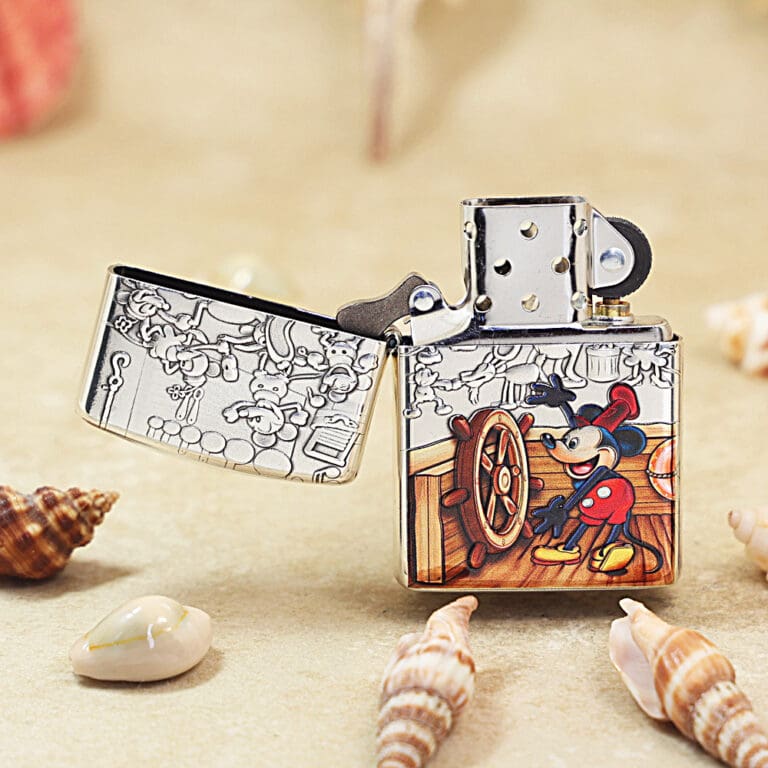
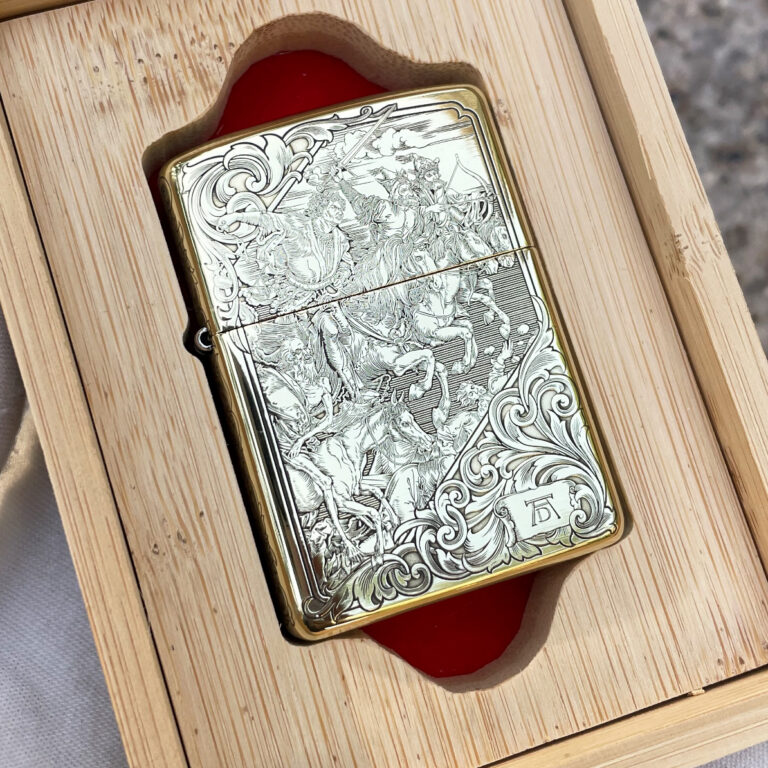
In the 21st century, Zippo has successfully balanced heritage with modern relevance. The brand continues to release new finishes, artistic designs, and limited editions while staying true to its original windproof concept.
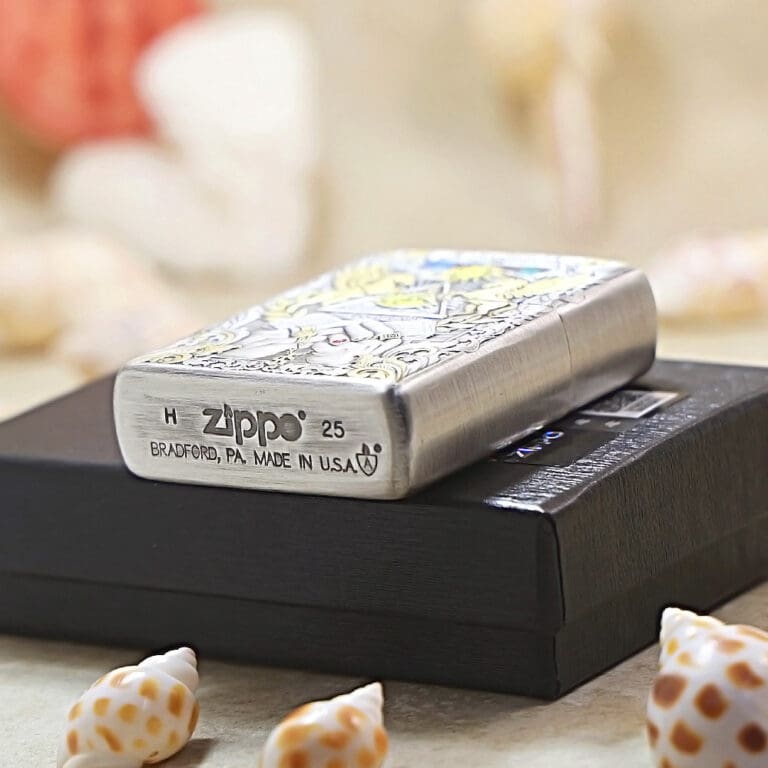
Zippo remains manufactured in Bradford, Pennsylvania, preserving its American roots. The company has embraced its collector community while continuing to appeal to everyday users who value reliability.
Today, Zippo is recognized worldwide as the gold standard for windproof lighters, with a legacy that spans nearly a century.
What Has Remained Consistent
Despite nearly 100 years of history, several elements have stayed remarkably consistent:
- The rectangular case and hinged lid design
- The windproof chimney
- The lifetime repair guarantee
- The satisfying “ping” sound
- Manufacturing in Bradford, Pennsylvania
This consistency has created powerful brand recognition and trust across generations.
What Has Evolved
While the core stayed the same, Zippo has evolved in meaningful ways:
- Expanded variety of finishes and designs
- Growth of limited editions and collectibility
- Stronger emphasis on heritage and American manufacturing
- Global cultural recognition
Why Zippo’s History Matters Today
Zippo’s journey from the Great Depression to today offers valuable lessons about quality, resilience, and staying true to what works. In a world of disposable products, Zippo stands as proof that thoughtful design and long-term commitment can create lasting value.
FAQ – Zippo Through History: From the Great Depression to Today
When was Zippo founded?
Zippo was founded in 1932 by George Blaisdell in Bradford, Pennsylvania, during the Great Depression.
How did World War II impact Zippo?
WWII dramatically increased Zippo’s popularity and reputation. Millions of soldiers carried Zippos, and the windproof design proved essential in the field.
Has Zippo changed much over the decades?
The core design has remained remarkably consistent. Most evolution has come through new finishes, limited editions, and expanded collector appeal while preserving the original windproof concept.
Is Zippo still made in the USA?
Yes. Zippo continues to manufacture its lighters in Bradford, Pennsylvania, maintaining its American heritage.
Where can I buy authentic Zippo lighters with this history?
www.kingzendo.com offers a carefully curated selection of genuine Zippo lighters, including Classic, Armor, and special edition models that represent different chapters in the brand’s rich history.
Own a piece of living history.
From its creation during the Great Depression to its status as a global icon today, Zippo’s story is one of resilience, quality, and enduring design.
Explore our collection of authentic Zippo lighters at www.kingzendo.com. Whether you’re interested in modern pieces or vintage-inspired models, you’ll find genuine Zippos that carry forward nearly a century of American craftsmanship and reliability.
Some stories are worth carrying with you. Zippo’s is one of them.