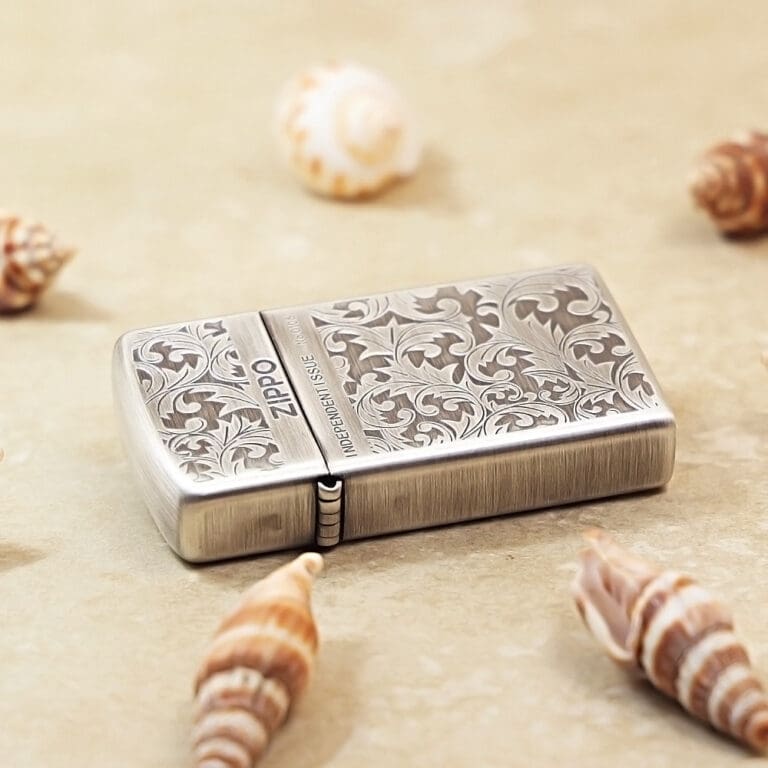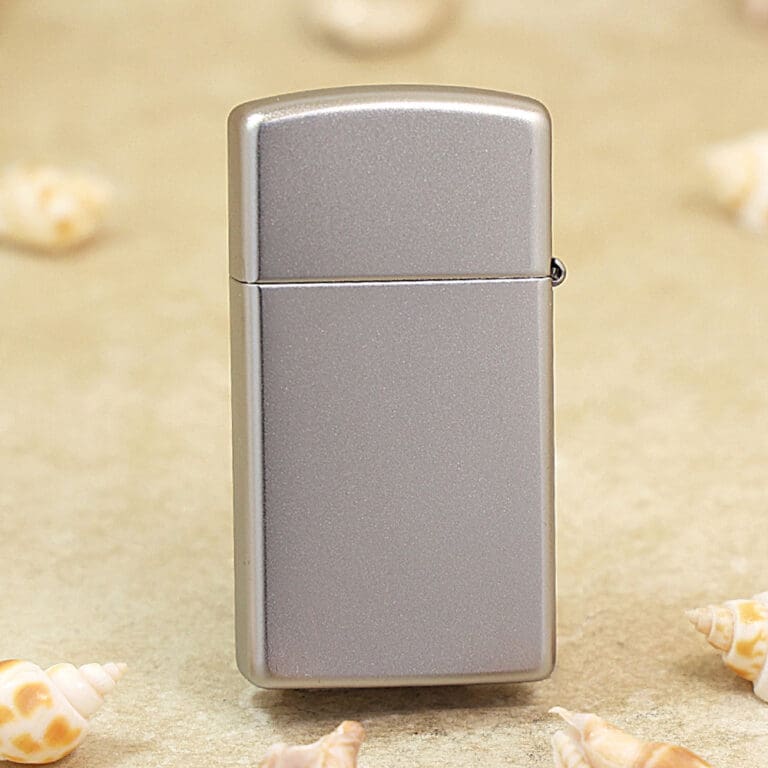
The Story Behind the Famous Zippo Click Sound
Few sounds in the world of consumer products are as instantly recognizable and deeply satisfying as the crisp metallic “ping” of a Zippo lighter. That clear, resonant click when the lid snaps shut has become legendary — a small daily ritual that millions of people around the world associate with quality, reliability, and pleasure.
But what exactly creates this famous sound, and why has it become such an important part of Zippo’s identity? At Kingzendo, we often hear collectors and users describe the “ping” as one of their favorite things about owning a genuine Zippo. Here’s the full story behind it.
What Exactly Is the Zippo “Ping”?
The famous sound is produced when the hinged lid closes and makes contact with the top of the lighter case. It is not an artificial sound or a gimmick — it is the natural result of precise engineering and high-quality materials interacting at the moment of closure.
The sound has two main components:
- The lid striking the case
- The slight resonance created by the hollow metal structure of the lighter
Together, they create that distinctive, crisp metallic ring that Zippo owners know and love.
The Engineering Behind the Sound
Creating a consistent, beautiful “ping” requires careful attention to several factors:
Precise tolerances — The gap between the lid and the case must be exactly right. Too loose and the sound becomes dull; too tight and the lid may not close smoothly.
Material quality — Zippo uses high-grade brass and steel that produce a clear, resonant tone. Cheaper metals tend to create a flat or tinny sound.
Hinge design — The hinge must be strong and precisely aligned so the lid closes with consistent force and angle every time.
Weight distribution — The balance of the lighter affects how the lid falls and strikes the case.
These details are why genuine Zippos produce such a satisfying sound, while most counterfeits fall short.
Why the Sound Feels So Satisfying
The Zippo “ping” is more than just acoustics — it engages multiple senses and creates a small moment of pleasure:
- Tactile feedback — The solid, confident closing action feels substantial in the hand.
- Auditory reward — The clear, crisp sound provides immediate positive feedback.
- Ritual and habit — Over time, the sound becomes part of a comforting daily ritual.
Many users describe the experience as oddly addictive. It turns the simple act of closing a lighter into something memorable and enjoyable.
How the Sound Became Legendary
The “ping” gained fame gradually through decades of real-world use. Soldiers in World War II carried Zippos and became familiar with the sound. After the war, the lighter’s cultural presence in movies, music, and everyday life helped spread its reputation.
Today, the sound is so well-known that many people can identify a genuine Zippo just by hearing it close. It has become one of the brand’s most powerful and distinctive features.
Classic vs Armor: Subtle Differences in Sound
While both Classic and Armor Zippos produce the famous ping, many experienced users notice slight differences:
- Classic models often have a brighter, crisper ping.
- Armor models tend to produce a slightly deeper, more resonant sound due to the thicker case walls.
Both are satisfying, but some collectors develop strong preferences based on the tone.
The Sound as an Authenticity Test
One of the most practical uses of the “ping” is as a quick authenticity check.
Genuine Zippos produce a sharp, clear, consistent metallic ring. Counterfeits almost always sound dull, weak, tinny, or inconsistent. Combined with other checks (weight, markings, hinge feel, and finish quality), the sound is one of the fastest ways to spot a fake.
Keeping the Ping Crisp Over Time
With proper care, the famous Zippo sound can remain sharp for decades:
- Keep the hinge area clean and free of debris
- Avoid forcing the lid if it feels stiff
- Use quality lighter fluid (cheap fluid can sometimes leave residue)
- Occasionally check that the lid alignment remains true
Most genuine Zippos will continue to deliver a satisfying ping with normal use and basic maintenance.
The Sound as Part of a Larger Experience
The “ping” doesn’t exist in isolation. It works together with the solid weight of the lighter, the smooth action of the lid, the reliable spark of the wheel, and the windproof flame to create a complete sensory experience.
This holistic quality is one reason Zippo has remained legendary for over 90 years. Every detail — including the sound — was designed with care and purpose.
FAQ – The Story Behind the Famous Zippo Click Sound
What causes the Zippo “ping” sound?
It is created when the hinged lid closes and strikes the top of the metal case. The precise tolerances, quality materials, and hollow structure of the lighter produce the distinctive clear, resonant metallic ring.
Do all Zippos sound the same?
Classic models tend to have a brighter ping, while Armor models often produce a slightly deeper, more resonant sound. Both are satisfying and characteristic of genuine Zippos.
Can the sound change over time?
Yes. With heavy use or lack of maintenance, the sound can become slightly duller. Keeping the hinge clean and using quality fluid helps maintain a crisp ping.
Is the “ping” a good way to check if a Zippo is real?
It’s one of the best quick tests. A sharp, clear, consistent metallic ring is a strong positive sign. A dull, weak, or inconsistent sound is very suspicious.
Where can I buy authentic Zippo lighters that deliver the real experience?
www.kingzendo.com offers a carefully curated selection of genuine Zippo lighters, including Classic and Armor models known for their satisfying sound and quality.
Experience the sound that started it all.
The famous Zippo “ping” is more than just a pleasant noise — it is the result of thoughtful engineering, quality materials, and decades of refinement. It represents everything that makes Zippo special.
Shop authentic Zippo lighters at www.kingzendo.com. Whether you choose a Classic or Armor model, you’ll enjoy the crisp, satisfying sound that has made Zippo legendary for over 90 years.
Some clicks are just noise. Others become legends. The Zippo ping is one of them.