The Evolution of Zippo Lighters Through the Decades
Few products in history have maintained such a consistent core identity while quietly evolving over nearly a century. The Zippo lighter, first created in 1932, remains instantly recognizable today. Yet behind that familiar rectangular shape lies a story of thoughtful refinement, cultural adaptation, and remarkable staying power.
At Kingzendo, we carry authentic Zippo lighters across Classic, Armor, and special edition models because we appreciate how the brand has balanced tradition with quiet progress. Here’s how Zippo has evolved through the decades.
1930s: The Birth of an Icon
George Blaisdell founded Zippo in 1932 during the Great Depression. Frustrated by unreliable lighters, he created a simple, rectangular, windproof design with a hinged lid.
Early Zippos were basic but effective. The famous lifetime guarantee was already in place. Sales were modest at first, but the foundation of quality and repairability was established from day one.
1940s: War Transforms the Brand
World War II was the defining moment for Zippo. The windproof design proved invaluable for soldiers. The U.S. military placed massive orders, and millions of Zippos went to war.
This era cemented Zippo’s reputation for reliability. Many soldiers personalized their lighters, creating early examples of what would later become a major collecting category. The brand returned from the war with a powerful reputation.
1950s–1960s: Post-War Growth and Cultural Integration
After the war, Zippo became deeply embedded in American culture. The lighter appeared in movies, advertisements, and everyday life. Its distinctive shape and satisfying “ping” became symbols of quality and style.
During these decades, Zippo refined finishes and introduced more variety while keeping the core mechanism unchanged. The brand expanded its reach without losing its identity.
1970s–1980s: Refinements and Expanding Variety
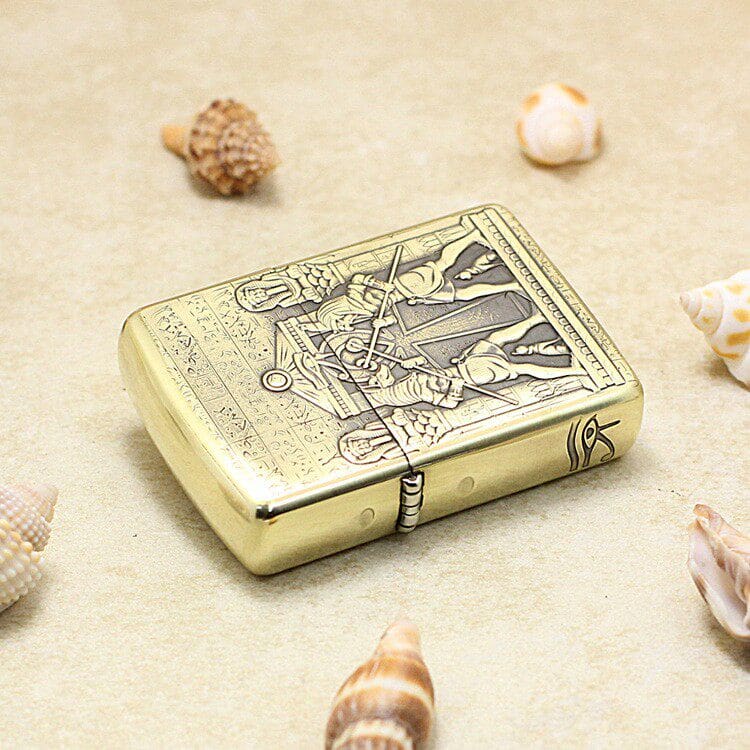
Zippo continued to improve materials and finishes. The introduction of the heavier Armor case in later years gave collectors a more robust option while maintaining the classic design.
This period also saw growing interest in Zippo as a collectible. People began paying attention to date codes, finishes, and special editions. The brand started to embrace its collector appeal more actively.
1990s–2000s: The Collectibility Boom
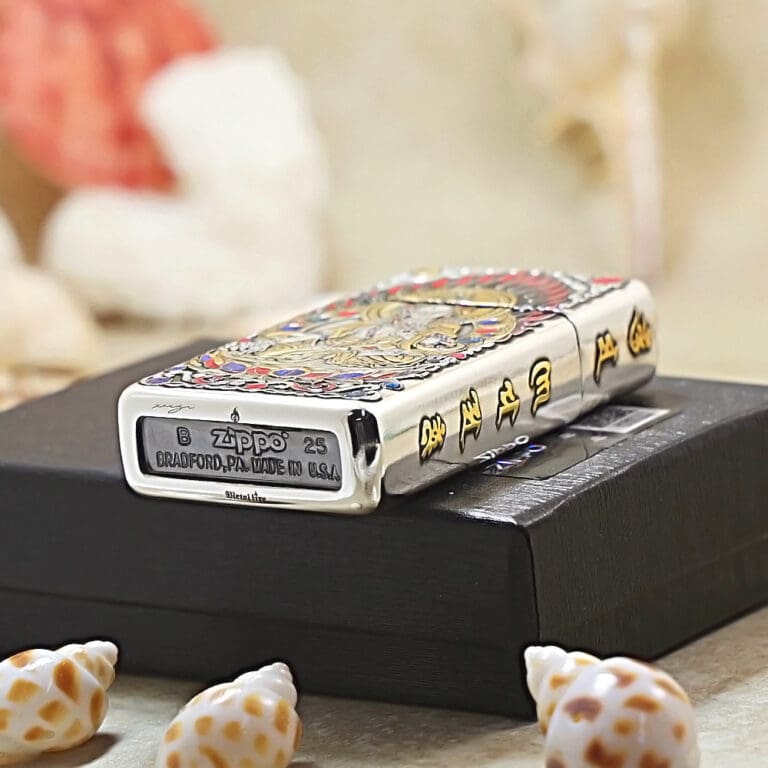
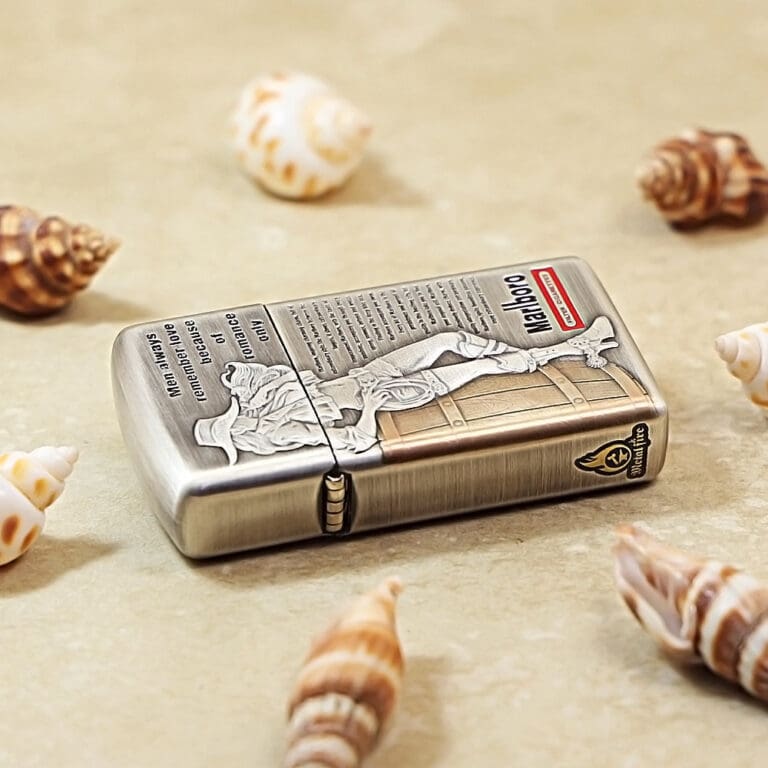
The 1990s and 2000s marked a major shift toward collectibility. Zippo released numerous limited editions, anniversary models, and collaborations. The variety of designs exploded while the fundamental windproof lighter remained the same.
This era turned Zippo collecting into a serious hobby for many enthusiasts. Vintage pieces from earlier decades gained significant value, and the secondary market became active.
2010s–Present: Modern Relevance with Deep Roots
In recent decades, Zippo has continued to innovate within its established framework:
- Expanded Armor offerings with premium finishes
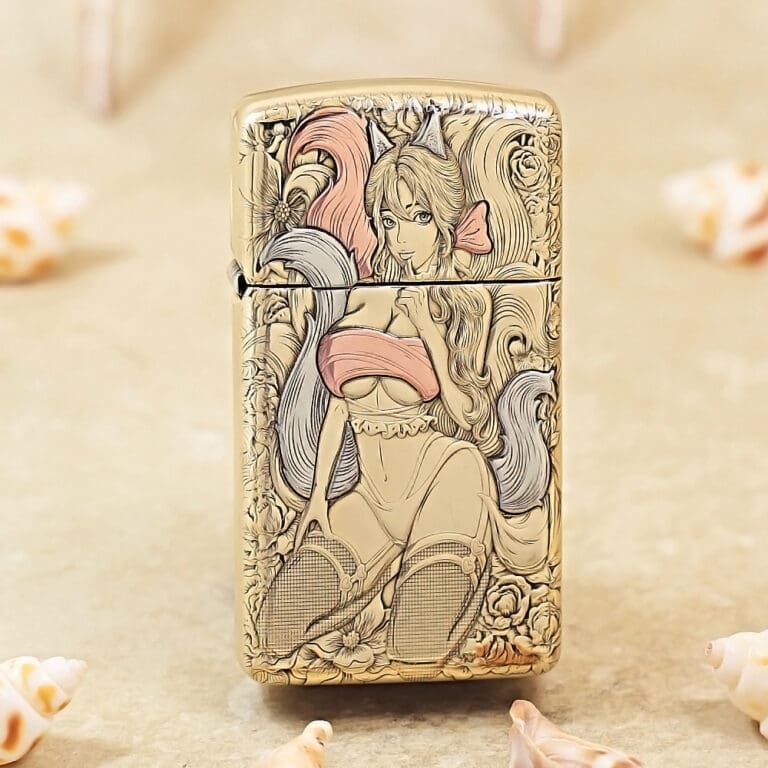
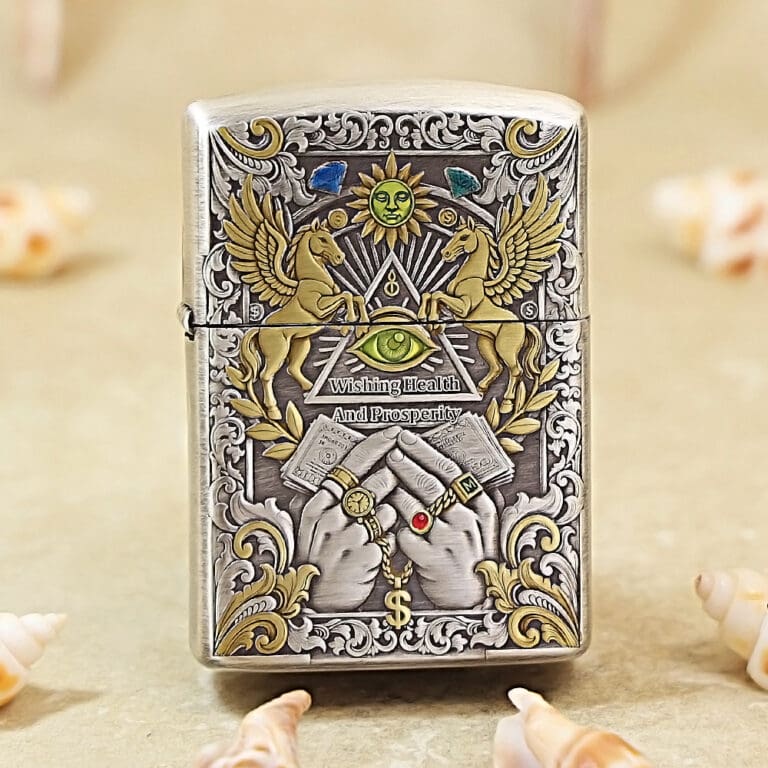
- New artistic and color-printed designs
- Strong focus on limited and commemorative editions
- Continued commitment to American manufacturing in Bradford, Pennsylvania
The brand has successfully stayed relevant in the digital age while honoring its heritage. New generations discover Zippo through its design, history, and reliable performance.
What Has Stayed the Same
Despite nearly a century of change, several things have remained remarkably consistent:
- The rectangular case shape
- The hinged lid
- The windproof chimney design
- The lifetime repair guarantee
- The satisfying “ping” when the lid closes
This consistency is one of Zippo’s greatest strengths. It creates instant recognition and a powerful sense of continuity.
What Has Evolved
While the core stayed the same, Zippo has evolved in meaningful ways:
- Materials and finishes — From basic chrome to high-end Armor cases and artistic designs
- Collectibility — From practical tool to serious collecting category
- Cultural role — From wartime essential to global lifestyle icon
- Variety — From limited options to thousands of designs and editions
Why This Evolution Worked
Zippo succeeded because it evolved without abandoning its core identity. The brand understood what made it special (windproof performance, repairability, distinctive design) and protected those elements while adapting to new markets and collector interests.
This careful balance between tradition and progress is rare and difficult to achieve.
FAQ – The Evolution of Zippo Lighters Through the Decades
Has the basic Zippo design changed much since 1932?
No. The rectangular case, hinged lid, and windproof chimney remain fundamentally the same. Most changes have been in finishes, materials, and variety rather than core function.
When did Zippo become popular with collectors?
Interest in collecting grew significantly from the 1970s onward, with a major boom in limited editions during the 1990s and 2000s.
What is the Armor case and when was it introduced?
The Armor case is a thicker, heavier version of the classic Zippo case. It was developed to offer greater durability and a more premium feel.
Is Zippo still evolving today?
Yes. The brand continues to release new finishes, limited editions, and collaborations while maintaining its core design and American manufacturing.
Where can I buy authentic Zippo lighters from different eras and styles?
www.kingzendo.com offers a carefully curated selection of genuine Zippo lighters, including Classic, Armor, and special edition models that represent different chapters in the brand’s evolution.
Own a piece of living history.
Zippo’s story is one of remarkable consistency paired with quiet, meaningful evolution. The lighter you hold today shares clear DNA with the ones carried in World War II and the ones first sold during the Great Depression.
Explore our collection of authentic Zippo lighters at www.kingzendo.com. Whether you’re drawn to classic designs or modern limited editions, you’ll find genuine pieces that carry forward nearly a century of thoughtful progress and enduring quality.
Some things evolve by staying true to who they are. Zippo is one of them.