
How Often Should You Refill an S.T. Dupont Lighter?
The honest answer is written in the flame—not on a calendar. Learn the signals, usage patterns and model differences that determine when your lighter is ready for gas.

A collector does not wait for a treasured lighter to fail in the middle of a ritual. Yet refilling it every few days “just in case” is not a sophisticated maintenance plan either. An S.T. Dupont lighter should be refilled according to its performance, flame system and real pattern of use—not according to a universal date on the calendar.
S.T. Dupont publishes model-specific refill compatibility, but not one fixed interval that applies across its collections. That makes sense. A Ligne 2 used for two brief lights after dinner has a very different working life from a MaxiJet held on a large cigar several times a day. Reservoir size, flame height, burn length, temperature and technique all change the answer.
Refill your S.T. Dupont when the flame becomes noticeably lower, weaker or less consistent at its normal setting—or shortly before an important trip or occasion. For planning only, occasional users may go several weeks or longer, regular users may refill roughly every one to three weeks, and frequent cigar or torch users may need gas every few days to two weeks. These are practical estimates, not manufacturer specifications.
A lighter that suddenly consumes fuel much faster than before may not simply be “thirsty.” If you hear a continuing hiss or smell gas after refilling, do not ignite it. Keep it away from heat and sparks, ventilate the area and arrange professional inspection.
A practical refill schedule by usage pattern
The estimates below help you plan, but they should never override the actual behavior of the lighter. Count burn time, not merely clicks: one long cigar toast can consume more fuel than several very brief cigarette lights.
| Usage pattern | Typical example | Planning estimate | Best refill cue |
|---|---|---|---|
| Occasional | A few short lights per week | Several weeks or longer | Flame begins to fall below its familiar height |
| Regular | Several brief lights most days | About one to three weeks | Reduced flame strength or shorter stable burn |
| Frequent cigar use | Longer ignition sessions and repeated touch-ups | A few days to about two weeks | Torch loses intensity or soft flame becomes inconsistent |
| Event or travel use | Dependable performance needed on a specific day | Check and top up beforehand if appropriate | Known usage history plus a controlled flame test |
| Display collection | Rarely fired collector piece | No routine calendar refill | Refill only when preparing to use, following its instructions |
Track the date of two or three refills and note how the lighter was used. Your own pattern will become more useful than a generic average. If a stable routine suddenly changes, investigate the cause rather than automatically buying more gas.
The three clearest signs that it is time to refill
1. The flame is lower at the same setting
A familiar flame setting makes a useful benchmark. If your Ligne 2 normally produces a composed double yellow flame and it now sits noticeably lower without any adjustment, the reservoir may be running down. Do not immediately turn the control to maximum. A higher setting can briefly disguise the symptom while consuming the remaining fuel faster.
2. The torch has lost its authority
A healthy torch has a concentrated, confident shape. Low fuel may show as reduced reach, softness at the tip or sputtering during a sustained burn. Test at normal room temperature and away from a draft. Cold butane produces lower pressure, so a chilled lighter can imitate an empty one. Let it warm naturally—never place it near a heater or in hot water.
3. Ignition becomes inconsistent despite a good spark
If the lighter still makes a healthy spark but the flame catches only briefly, low fuel is one reasonable possibility. It is not the only one. The wrong refill, incomplete filling, a very low adjustment or an internal fuel-flow issue can produce similar behavior. If correct refilling does not restore normal performance, consult Why Is My S.T. Dupont Lighter Not Working? rather than repeatedly attempting to fill it.

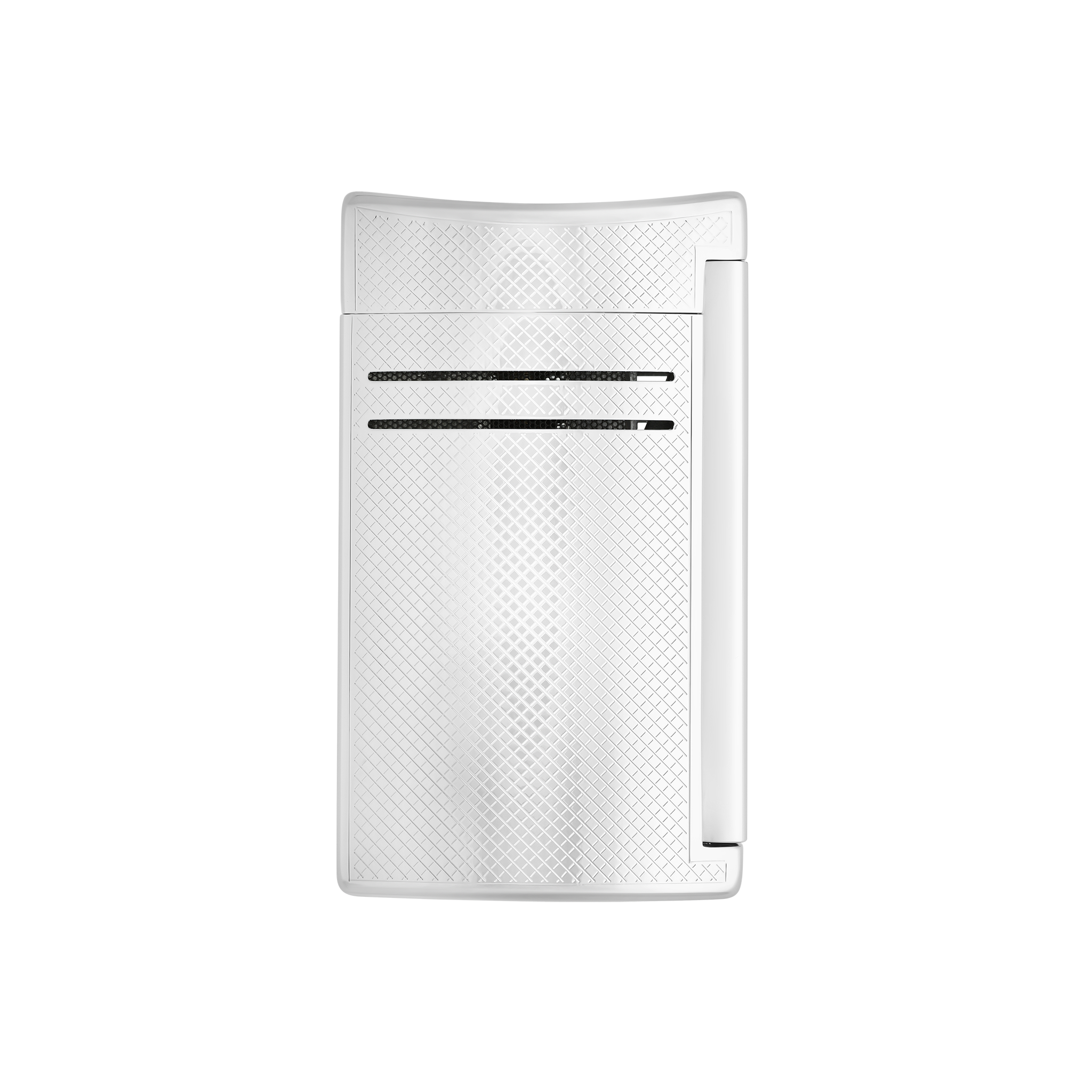
Why refill frequency varies so much
Flame type
A soft flame is intended to rise gently around the material being lit. A torch mixes fuel and air to create a focused, high-temperature jet. During comparable burn time, a powerful torch will generally move fuel more quickly. This is why a daily cigar smoker using a Biggy, MaxiJet or MiniJet may refill more often than an occasional Ligne 2 owner.
How long each flame is held
Ignition count is a poor measurement unless every light lasts the same duration. Lighting a cigarette may require only a brief flame. Toasting the foot of a large cigar, correcting the burn and relighting later can keep a torch operating many times longer. The difference accumulates rapidly over a week.
Flame setting
A taller flame uses more gas while burning. The ideal setting is not the highest one; it is the lowest stable setting that comfortably performs the job. This also produces a more controlled experience around delicate cigar wrappers and reduces the temptation to hold the lighter far from the target for an unnecessarily long time.
Reservoir size and lighter architecture
S.T. Dupont collections differ in size, flame system and internal packaging. A slim pocket lighter is designed around different priorities from a heavier prestige model. It is therefore misleading to expect a Slim 7, Slimmy, Le Grand and classic Ligne 2 to share identical endurance.
Temperature and environment
Butane pressure falls in cold conditions. A lighter carried outdoors in winter can appear underfilled even when fuel remains. Wind also encourages longer burns and repeat attempts. Test the lighter at room temperature in still air before using its performance as a fuel gauge.
Soft flame, torch and dual flame compared
| Flame system | Typical collections | Fuel-use character | Ownership advice |
|---|---|---|---|
| Traditional soft flame | Ligne 1, many Ligne 2 references | Usually economical during brief, moderate-height lights | Watch familiar flame height rather than counting days |
| Single torch | MiniJet, MaxiJet, Slim 7, Slimmy and Twiggy families | Higher flow while lit; long cigar sessions shorten the interval | Use a controlled duration and keep the correct refill available |
| Wide torch | Biggy | Broad, powerful coverage can consume fuel quickly during extended use | Refill by performance and expect a heavier-use pattern |
| Dual flame | Le Grand Dupont | Consumption changes with soft-flame versus torch use | Track which mode you use most; official current references specify red gas |
The sound, resistance and flame of a familiar lighter become a personal baseline. That is one pleasure of ownership: you notice a change before it becomes a failure. Keep a discreet refill note with the box or service record, especially when rotating among several lighters.
Use the correct refill—not merely “premium butane”
Frequency matters less than compatibility. S.T. Dupont’s current care guidance directs owners to use the appropriate S.T. Dupont refill for the lighter. The color system reflects different collection requirements, and compatibility can change by model generation or reference.
For example, the official specification for Ligne 2 reference 016817 pairs it with yellow gas refill 000432. Current Le Grand reference C23013 specifies red gas refill 435. MaxiJet reference 020161 and MiniJet reference 010888 specify black gas. These examples are useful orientation, not permission to choose by family name alone. Always verify the exact reference and current instructions.
| Official current example | Flame system | Specified refill | KingZendo collection |
|---|---|---|---|
| Ligne 2 ref. 016817 | Double yellow soft flame | Yellow 000432 | Shop Ligne 2 |
| Le Grand ref. C23013 | Soft and torch dual flame | Red 435 | Shop Le Grand |
| MaxiJet ref. 020161 | Torch | Black 000430 | Shop MaxiJet |
| MiniJet ref. 010888 | Torch | Black 900430 | Shop MiniJet |


For a collection-by-collection explanation, see What Gas Does an S.T. Dupont Lighter Use? Using an incompatible can or forcing an adapter can create a poor seal, waste gas during filling and make the lighter appear to need refilling unusually often.
How to establish your own refill rhythm
- Confirm the exact reference. Record the model and the currently specified refill before buying gas.
- Start from a correct refill. Follow the instructions supplied for the lighter in a ventilated area away from flames, heat and sparks.
- Keep the flame moderate. Set it only as high as needed for a stable, comfortable light.
- Note the date and use. Record whether the period involved occasional cigarettes, regular cigars, travel, cold weather or unusually long burns.
- Watch for the first repeatable change. Refill when the flame weakens under comparable indoor conditions—not after one poor light in wind or cold.
- Compare the next cycle. Two or three similar cycles will reveal a useful personal interval.
The method is simple, but it separates normal variation from a developing issue. A Ligne 2 that reliably runs for your usual period and then gradually weakens is behaving predictably. A lighter that needs gas dramatically sooner after the same usage deserves inspection for refill technique or leakage.
Should you top up before travel or a special occasion?
A careful pre-event top-up can be sensible when dependable performance matters. It is especially reasonable if you know the lighter has already completed much of its normal cycle. Use the correct refill and follow the exact instructions; do not continue pressing merely because you cannot see a fuel gauge.
Air travel is a separate matter. Rules for lighters and fuel can change by jurisdiction, airline and itinerary, so check the current official requirements before packing. Never assume that a luxury lighter or empty refill is exempt from transport restrictions.
How to avoid refilling more often than necessary
- Use the lowest stable flame that suits the task.
- Keep each burn purposeful rather than admiring the flame for long periods.
- Toast a cigar efficiently and avoid holding the torch too far away.
- Use the refill specified for the exact model and seat it squarely.
- Let a cold lighter reach room temperature naturally before judging fuel level.
- Keep the burner area free of loose visible lint using only a soft dry brush when completely cool.
- Investigate a sudden change in consumption rather than treating it as normal.
Do not keep firing a lighter that smells of gas, produces an uncontrollable flame or hisses after refilling. Do not probe the valve or jet with a needle, and do not dismantle the reservoir. Internal valves, regulators and seals belong with qualified service.
When frequent refilling may indicate a problem
Usage changes are the most common explanation. Perhaps you moved from cigarettes to cigars, began using the torch mode on a Le Grand, raised the flame or spent more time outdoors. If none of those changed, review refill technique. Gas escaping around a poorly seated nozzle means less fuel reaches the reservoir.
A persistent odor, ongoing hiss or dramatic loss of endurance can indicate an internal seal, valve or regulator problem. S.T. Dupont’s official after-sales service describes replacement of functional internal parts and leak testing as professional work. The correct response is to stop using the lighter and arrange inspection—not to purge, dismantle or force it.
For a symptom-by-symptom checklist, open Common S.T. Dupont Lighter Problems and How to Fix Them. For finish and storage care, use our guide to cleaning and maintaining an S.T. Dupont lighter.
More KingZendo S.T. Dupont guides
The right refill interval is a relationship between object and owner. Learn the lighter’s normal flame, record a few cycles and keep the correct gas nearby. That quiet familiarity preserves the pleasure of the ritual—and alerts you when the mechanism is asking for more than fuel.
Frequently asked questions
How often should you refill an S.T. Dupont lighter?
Refill an S.T. Dupont lighter when its flame becomes lower or less consistent, or before an occasion when dependable performance matters. There is no universal calendar interval because fuel life varies with the model, flame type, flame height, burn duration, temperature and frequency of use.
How can I tell when my S.T. Dupont lighter is low on gas?
Typical signs include a flame that is lower than usual at the same setting, a torch that weakens or sputters, shorter burn time, or ignition that becomes inconsistent despite a healthy spark. Test at room temperature in calm conditions before deciding that fuel is low.
Can I refill my S.T. Dupont lighter before it is completely empty?
A careful top-up before travel or an important event can be practical if it follows the instructions for the exact model. Use only the specified refill, work in a ventilated area away from flame and heat, and stop if gas sprays excessively or a leak continues after filling.
Why does my S.T. Dupont lighter need refilling more often than before?
More frequent refilling may reflect longer burns, a higher flame setting, colder conditions, increased use or an incomplete refill connection. A sudden unexplained change, persistent gas odor or continuing hiss can indicate a leak and should be professionally inspected.
Do S.T. Dupont torch lighters use more gas than soft-flame lighters?
Torch systems generally move fuel at a higher rate while lit, especially when used for long cigar-lighting sessions, so they may require more frequent refills. Actual endurance still depends on reservoir size, flame setting and how long each ignition is held.
Does flame height affect how often I need to refill?
Yes. A taller soft flame or more powerful torch setting consumes fuel faster while the lighter is burning. Use the lowest stable flame that performs the task comfortably rather than an unnecessarily high setting.
What gas refill should I use for my S.T. Dupont lighter?
Use the S.T. Dupont refill specified for the exact model and reference. Compatibility is collection-specific: for example, official current specifications pair some classic Ligne 2 references with yellow gas, Le Grand references with red gas, and many MiniJet, MaxiJet and Slim 7 torch models with black gas.
Should I store an S.T. Dupont lighter with a full tank?
Do not top up a lighter merely for long-term storage. Follow the instructions for the exact reference and keep the lighter in a cool, dry place away from direct sun, heat, sparks and children. For a valuable vintage piece or extended storage, request model-specific advice from a qualified service professional.
Choose an S.T. Dupont that suits the way you use fire
From the ceremonial soft flame of Ligne 2 to the focused performance of MaxiJet and the versatility of Le Grand, KingZendo makes it easier to compare the collections by flame, form and occasion.
Shop S.T. Dupont Browse luxury lightersTechnical references: S.T. Dupont lighter care, official refills and flints, after-sales service, and current official product specifications for Ligne 2, Le Grand, MaxiJet and MiniJet. Refill compatibility varies by reference; always follow the instructions supplied with the exact lighter.